
Senate Advances Continuing Resolution as Schumer Helps GOP Clear Government Shutdown Hurdle
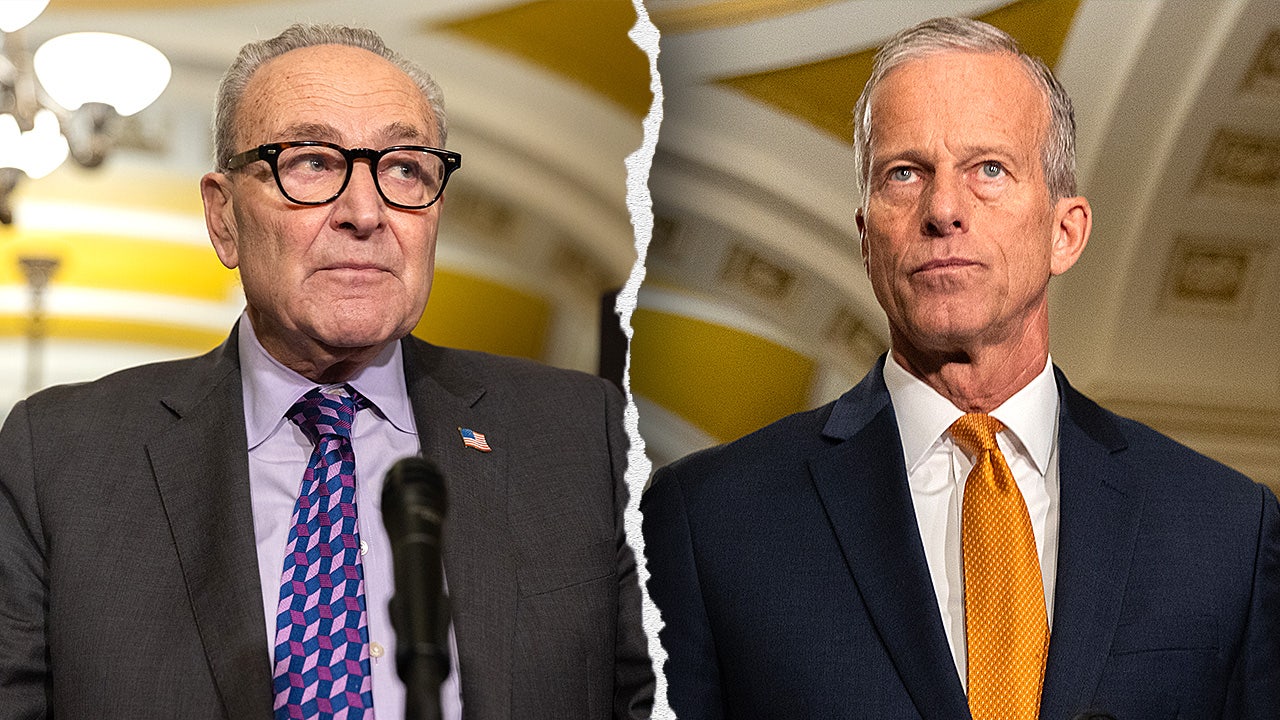
Senate Democrats, led by Chuck Schumer, provided crucial support to help Republicans advance a continuing resolution that would prevent a government shutdown through the midterm elections, marking a bipartisan funding agreement.
Bipartisan Shutdown Prevention
The Senate advanced a continuing resolution to prevent a government shutdown through the midterm elections, with Chuck Schumer endorsing the bipartisan funding bill. The move represents a significant moment of cooperation between Democrats and Republicans on fiscal matters as the nation approaches the critical midterm election cycle.
Schumer's Role and Democratic Support
Chuck Schumer's endorsement of the GOP-backed continuing resolution signals that Democratic leadership has decided to avoid a prolonged budgetary confrontation during an election year. By supporting the measure rather than using it as a leverage point for concessions, Senate Democrats avoided the economic disruption and political fallout that would accompany a shutdown.
Timing and Electoral Considerations
The continuing resolution extends government funding through the midterm elections, ensuring stable operations during a period of heightened political activity and public scrutiny. This approach allows both parties to focus on campaign messaging and policy debates without the distraction of a shutdown crisis.
Broader Legislative Context
The agreement demonstrates the Senate's capacity to find bipartisan consensus on essential fiscal matters, even amid partisan tensions on other issues. By securing smooth passage of the continuing resolution, Congress avoids the recurring drama of last-minute shutdown votes that have plagued recent legislative sessions. This success could set a precedent for collaborative problem-solving on other budgetary matters before the fiscal year ends.