
Second Pregnancy Rewires the Brain in Different Ways Than First, Study Shows
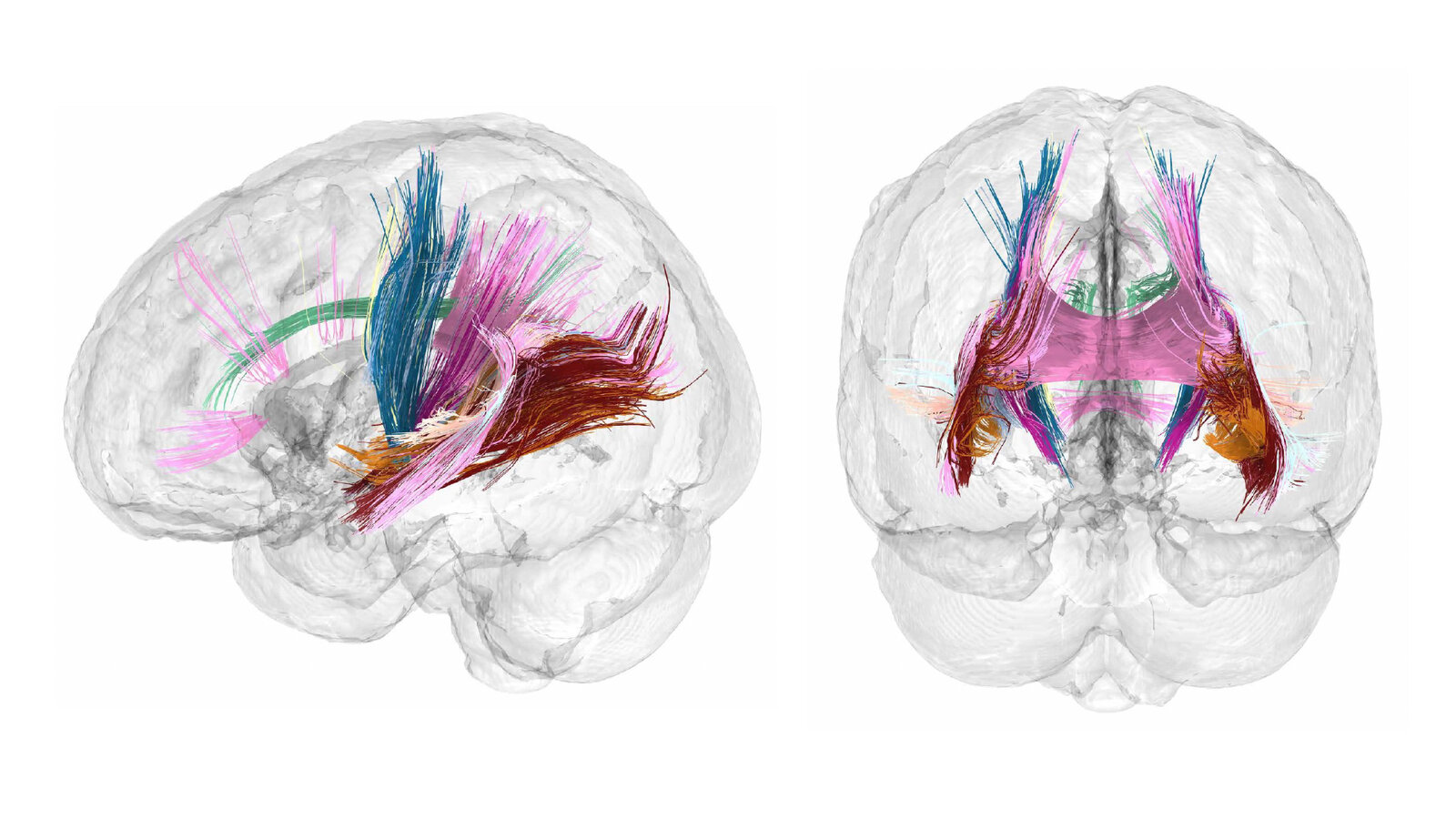
New research reveals that each pregnancy changes the brain differently, with a second pregnancy producing distinct neural patterns compared to the first, potentially improving understanding of maternal mental health.
Brain Changes Across Pregnancies
Researchers found that every pregnancy rewires the brain in its own way, with a second pregnancy bringing a different pattern of changes than the first. This discovery challenges the assumption that pregnancy effects on the brain are uniform across multiple pregnancies.
Unique Neural Patterns
The research demonstrates that the brain's neuroplasticity during pregnancy is not a simple repeated process. Instead, each pregnancy appears to trigger distinct neural reorganization patterns. These differences may reflect the brain's adaptation to the physiological and hormonal changes specific to each pregnancy, as well as the brain's evolving response based on prior pregnancy experiences.
Maternal Mental Health Implications
The discoveries could lead to better ways to recognize and treat maternal mental health conditions. Understanding how the brain changes during pregnancy is crucial for addressing postpartum depression, anxiety, and other mental health challenges that affect mothers. The fact that each pregnancy produces different brain changes suggests that treatment and support strategies may need to be individualized based on pregnancy history.
Clinical Significance
This finding opens new avenues for research into maternal neurobiology. Healthcare providers could potentially use knowledge of pregnancy-specific brain changes to better predict, monitor, and treat maternal mental health issues. The research underscores the complexity of pregnancy's effects on the central nervous system and highlights the importance of individualized care approaches for pregnant women and new mothers.