
Sea Silk: South Korean Scientists Recreate Legendary 2,000-Year-Old Golden Fabric
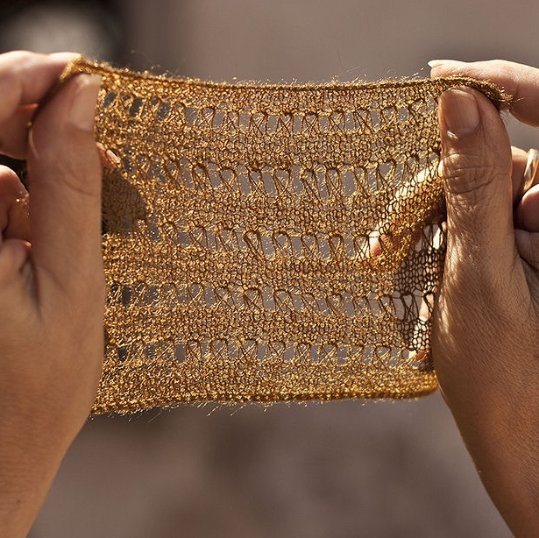
Researchers in South Korea have successfully recreated sea silk, an ancient fabric once prized by emperors, by harvesting fibers from clams found in Korean coastal waters—reviving a lost luxury material.
Ancient Textile Technology Revived
Researchers in South Korea have recreated the legendary "sea silk" once prized by emperors, using fibers from a clam cultivated in Korean coastal waters. This achievement, announced June 12, 2026, represents a remarkable intersection of marine biology, materials science, and historical textile tradition.
What Is Sea Silk?
Sea silk, also known as byssus, is an extraordinarily rare and valuable natural fabric created from fibers produced by certain clam species. They discovered that its famous golden color made it one of the most sought-after materials in the ancient world. For thousands of years, Mediterranean and European elites coveted sea silk garments, with the material commanding prices equivalent to precious metals in some historical periods.
How It's Made
The clams used in the South Korean research produce thin filaments to anchor themselves to rocks and seabeds. These naturally-occurring fibers can be harvested, cleaned, and processed into fine yarn suitable for weaving. The challenge has always been harvesting sufficient quantities to make the process economically viable while minimizing harm to the clam populations.
Modern Scientific Achievement
By cultivating the clams in Korean coastal waters and developing sustainable harvesting techniques, the research team has successfully produced sea silk using methods aligned with both ancient traditions and modern sustainability principles. The golden appearance of the material results from natural compounds within the clam fibers. This breakthrough could lead to new applications in luxury textiles, museum restoration, and sustainable fashion.