
Scientists Unlock Hidden Weakness in PFAS Forever Chemicals
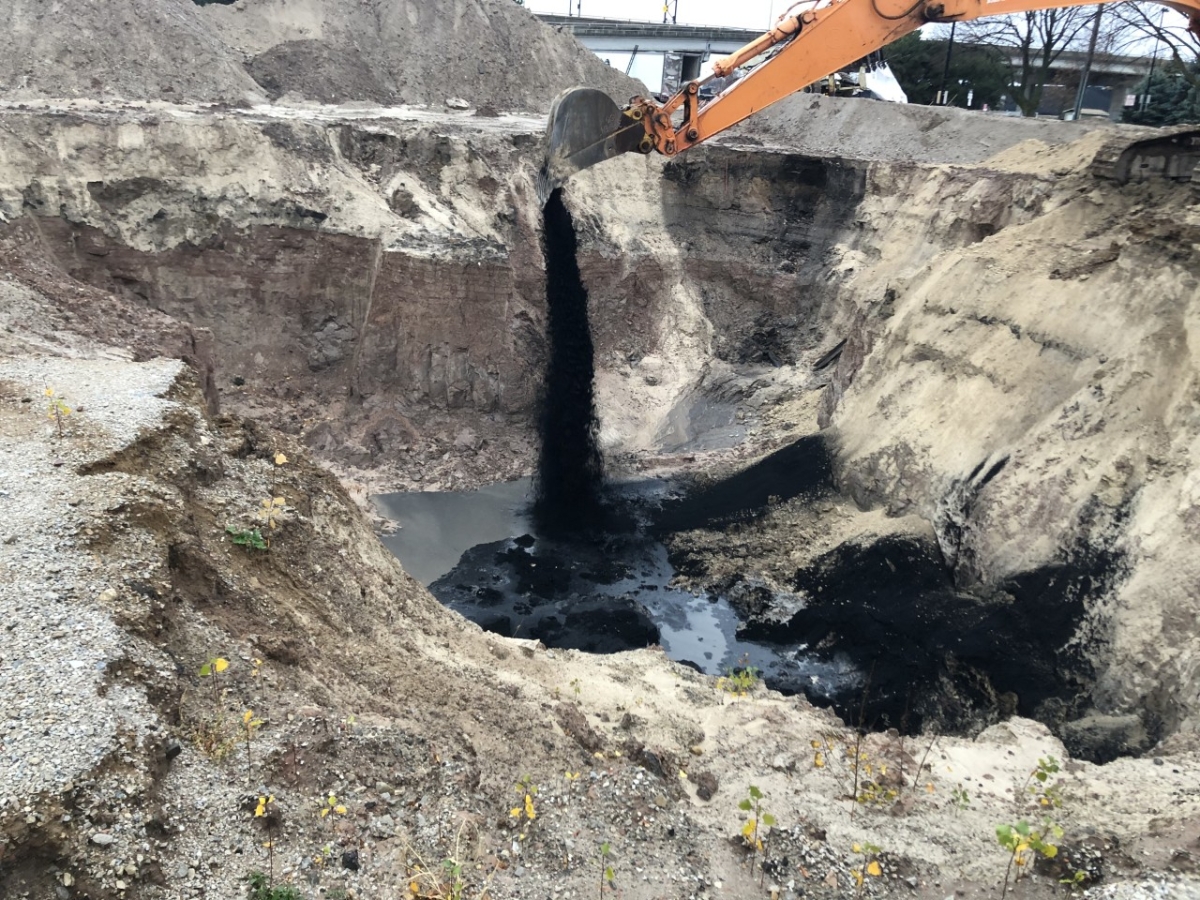
Researchers discovered that hydrogen radicals created by intense ultraviolet light can break down stubborn PFAS "forever chemicals" without additional chemicals, offering a promising pathway for environmental cleanup.
The Environmental Challenge
PFAS (per- and polyfluoroalkyl substances) have earned the nickname "forever chemicals" because they resist degradation and persist indefinitely in the environment and human bodies. These synthetic compounds are used in countless industrial applications—from water-resistant coatings to non-stick cookware—making them nearly ubiquitous contaminants in soil and groundwater worldwide.
The Breakthrough
Researchers discovered that hydrogen radicals generated by intense UV light can break down stubborn PFAS "forever chemicals" without added chemicals. The breakthrough reveals a key mechanism that could lead to greener and more effective remediation strategies.
How It Works
The team found that when PFAS compounds are exposed to intense ultraviolet radiation, hydrogen radicals are produced that attack and break apart the chemical bonds holding these molecules together. Unlike previous PFAS breakdown methods that required harsh chemicals, high temperatures, or incineration, this UV-based approach is simpler, safer, and potentially more scalable.
Real-World Applications
This discovery offers hope for cleaning up contaminated sites. Water treatment facilities, industrial areas, and agricultural regions facing PFAS contamination could potentially deploy UV-based systems to neutralize these chemicals in situ. The technology could also be applied to contaminated drinking water supplies, addressing a growing public health concern in communities worldwide.
Path Forward
While the laboratory results are promising, researchers must now determine how to scale this approach for industrial use and optimize conditions for various PFAS compounds found in different environments.