
Scientists Revive Vancomycin: Breakthrough Against Antibiotic-Resistant Bacteria
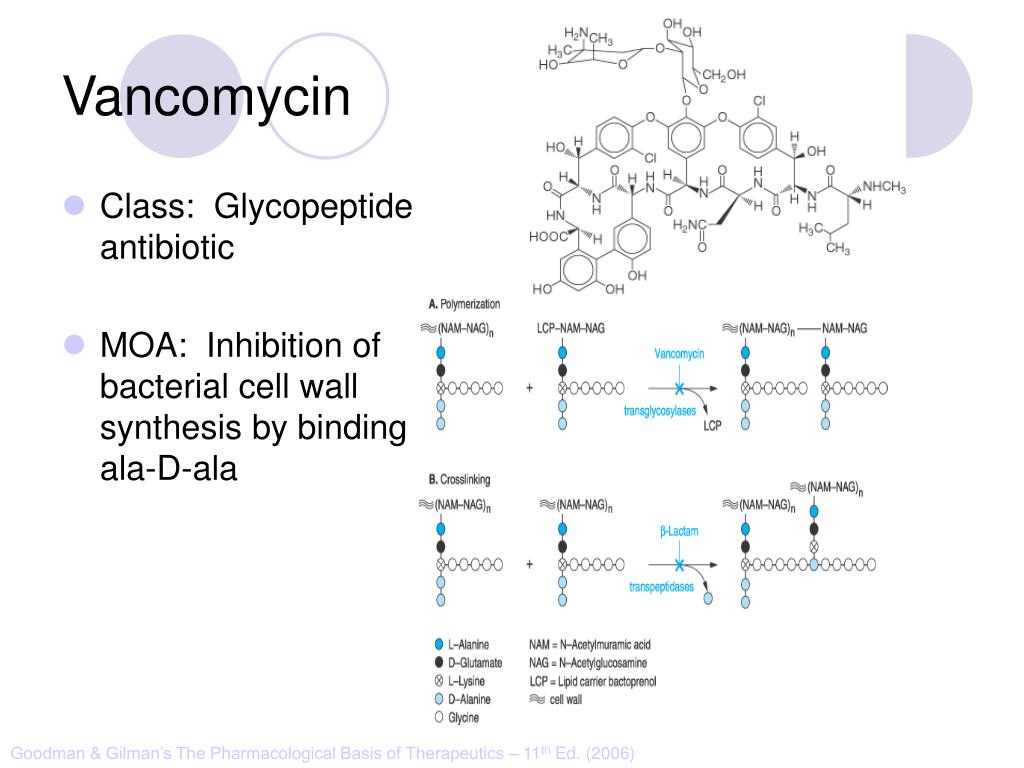
Researchers have found a way to restore the effectiveness of vancomycin, a powerful antibiotic that some dangerous bacteria had evolved to resist, by pairing it with a small molecule that blocks resistance mechanisms.
The Challenge of Antibiotic Resistance
Scientists have found a way to revive vancomycin, a powerful antibiotic that some dangerous bacteria have learned to resist. Vancomycin has been a critical tool in fighting severe bacterial infections, but increasing resistance has limited its usefulness in treating some infections. Rather than developing an entirely new drug from scratch, researchers took a different approach.
New Strategy: Combination Therapy
Instead of creating an entirely new drug, researchers paired vancomycin with a small molecule called pghi-4, which blocks a resistance pathway that bacteria had previously exploited. This combination strategy represents an innovative way to restore the activity of existing antibiotics without the lengthy and expensive process of drug development.
Broader Medical Significance
The discovery highlights an important shift in antibiotic research—rather than always seeking novel compounds, scientists are finding creative ways to overcome resistance mechanisms that bacteria have evolved. This approach could extend the useful lifespan of our existing antibiotic arsenal, which is increasingly threatened by resistance.
The research comes at a critical time, as antibiotic-resistant infections pose a growing global health threat. The CDC and WHO have both identified antibiotic resistance as one of the most urgent public health challenges. By restoring the effectiveness of established antibiotics like vancomycin, this work could improve treatment outcomes for serious infections while buying time for the development of genuinely new antimicrobial agents.
Clinical Promise
The combination of vancomycin and pghi-4 opens new therapeutic possibilities for treating infections caused by multidrug-resistant bacteria. Further clinical testing will determine how quickly this approach can translate to patient benefit.