
Scientists May Have Finally Found How Alzheimer's Kills Brain Cells
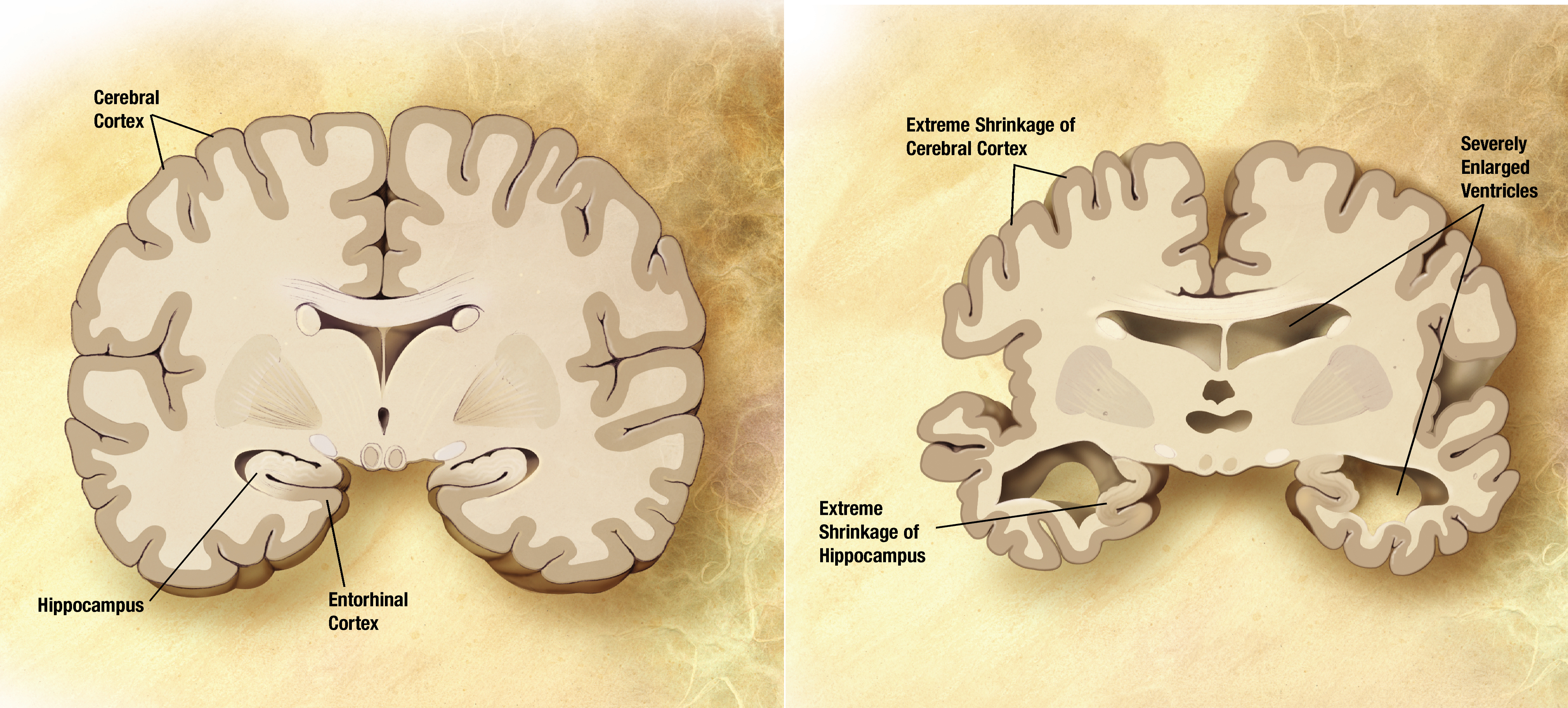
Researchers have identified a previously overlooked mechanism of brain cell death that appears to play a major role in Alzheimer's disease and frontotemporal dementia, potentially opening new avenues for treatment.
A Critical Discovery
Researchers have identified a previously overlooked mechanism of brain cell death that appears to play a major role in Alzheimer's disease and frontotemporal dementia. This breakthrough could fundamentally change how scientists approach treatment development for these devastating neurodegenerative diseases.
Understanding the Mechanism
The research team uncovered a specific pathway through which neurons die in Alzheimer's and frontotemporal dementia. By identifying this previously unknown mechanism, scientists now have a clearer target for therapeutic intervention. The finding could lead to new treatments aimed at slowing neuron loss, potentially halting or delaying disease progression in patients.
Natural Brain Resilience
Interestingly, complementary research revealed that some brains appear to have natural defenses against Alzheimer's. Some brains appear to fight back against Alzheimer's by helping immature brain cells survive damage instead of succumbing to it. Understanding this natural resilience could point researchers toward entirely new ways to protect memory and slow the disease's progression.
Implications for Treatment
These discoveries open multiple therapeutic strategies: directly targeting the newly identified cell death pathway, understanding and potentially enhancing the brain's natural defenses, and developing approaches that combine both perspectives. With approximately 50 million people living with dementia worldwide, and Alzheimer's comprising 60-80% of those cases, identifying these mechanisms represents a crucial step toward developing disease-modifying treatments that could significantly improve outcomes for patients and families.