
Scientists Discover New Framework for Black Hole Thermodynamics
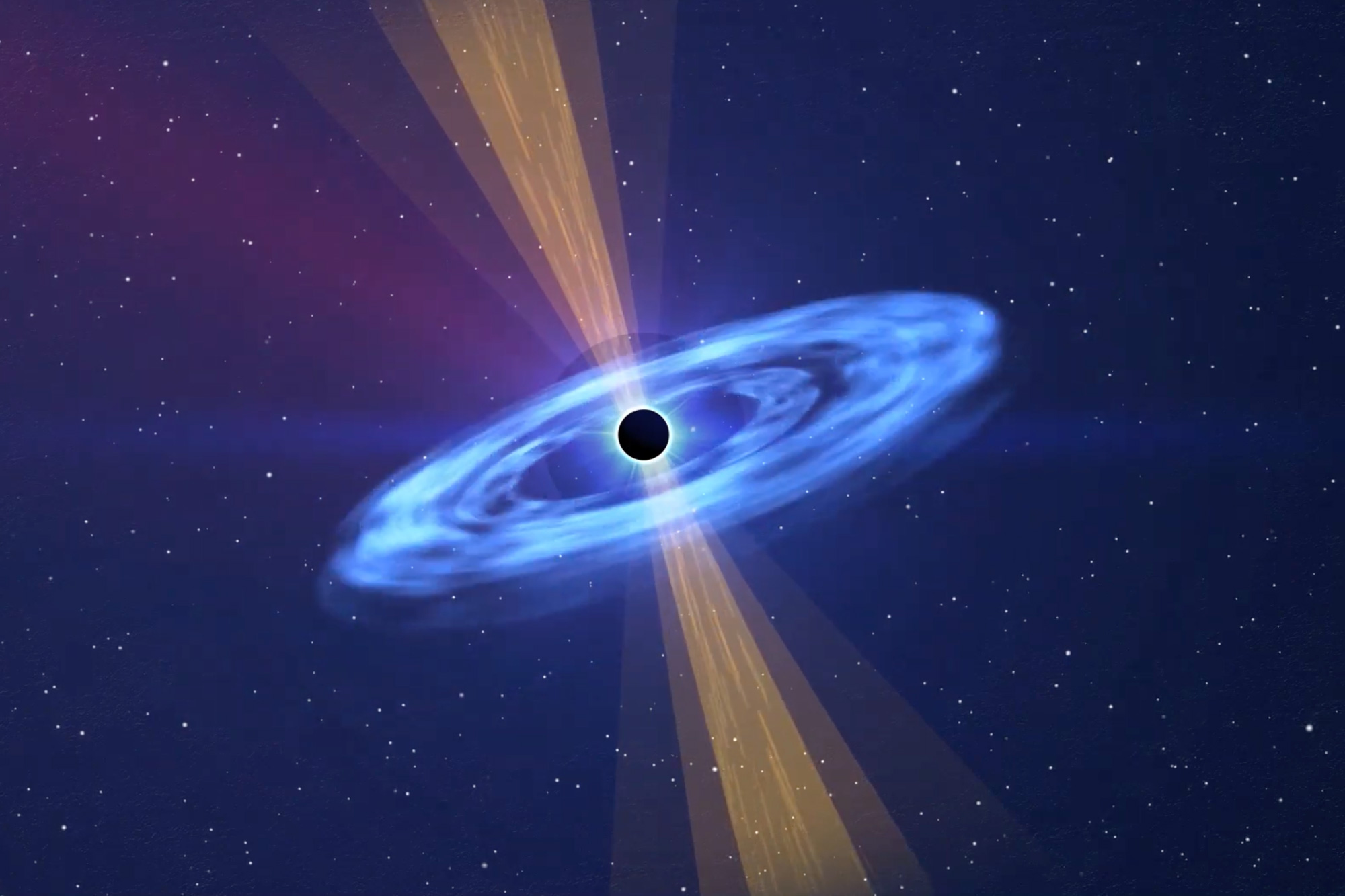
Researchers have developed a new theoretical framework that extends the laws of thermodynamics to real, dynamic black holes—moving beyond previous models that only worked for perfectly stable black holes.
Breaking Through Black Hole Physics
Scientists have developed a new framework that could finally apply the laws of thermodynamics to real, ever-changing black holes instead of only perfectly stable ones. This breakthrough addresses a fundamental gap in theoretical physics that has persisted for decades.
The Challenge of Black Hole Thermodynamics
Previous research on black hole thermodynamics relied heavily on idealized models of perfectly stable, non-rotating black holes. Real black holes in the universe, however, are dynamic systems that accrete matter, spin, and evolve over time. The new framework represents a major advance by accounting for these real-world complexities, allowing physicists to predict how entropy and energy behave in actual astronomical black holes.
Implications for Fundamental Physics
This development bridges a long-standing divide between general relativity and thermodynamics. The advance may improve our understanding of how black holes interact with their environment and radiate energy. The framework could also provide insights into the nature of time and the fundamental structure of spacetime itself.
Future Research Directions
The new theoretical framework opens pathways for testing predictions about black hole behavior through astronomical observations of real systems. This could lead to better models of black hole formation, mergers detected by gravitational wave observatories like LIGO, and the ultimate fate of matter consumed by black holes.