
Scientists Discover Brain Circuitry Linking Deep Sleep to Growth Hormone Release
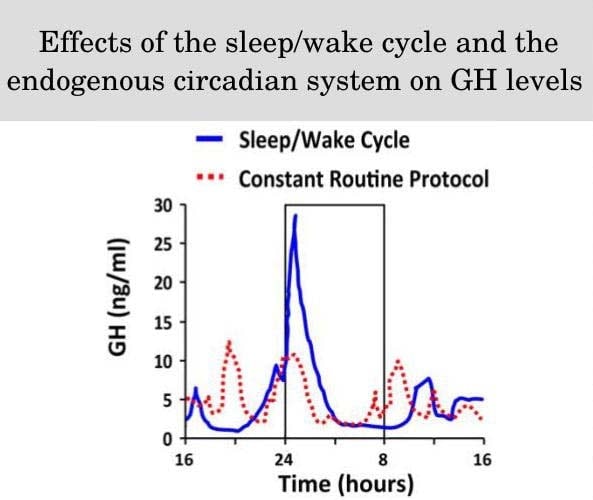
Researchers have identified the brain circuitry that connects deep sleep with growth hormone release, revealing a feedback loop that explains how these two processes regulate each other. This discovery could lead to new treatments for sleep disorders and metabolic conditions.
What Happened
Researchers have identified the brain circuitry that links deep sleep with the release of growth hormone, revealing how the two regulate each other. The newly discovered feedback loop helps explain the intricate relationship between sleep quality and hormone regulation—a finding that illuminates one of the body's most fundamental biological processes.
Why It Matters
Growth hormone plays a critical role far beyond childhood development. In adults, it regulates muscle mass, bone density, metabolism, and overall metabolic health. The discovery of this sleep-hormone feedback mechanism opens new doors for understanding why sleep disruption is linked to metabolic disorders, obesity, and aging-related conditions. Understanding this circuitry could eventually enable therapies that optimize both sleep quality and hormonal balance.
The Research
The study involved mapping neural pathways in the brain that coordinate the timing and magnitude of growth hormone pulses during deep (non-REM) sleep stages. Scientists identified specific brain regions and neurotransmitter systems that regulate this relationship. The feedback loop suggests that growth hormone itself may enhance certain types of deep sleep, creating a beneficial cycle that deteriorates with age or sleep disorders.
What Comes Next
Researchers are now investigating whether targeted interventions—such as sleep optimization therapies or neural stimulation—could restore this feedback loop in aging populations or patients with sleep disorders. Clinical trials exploring these approaches are expected to begin in 2027.