
Scientists Create First Synthetic Cell That Feeds, Grows, and Divides
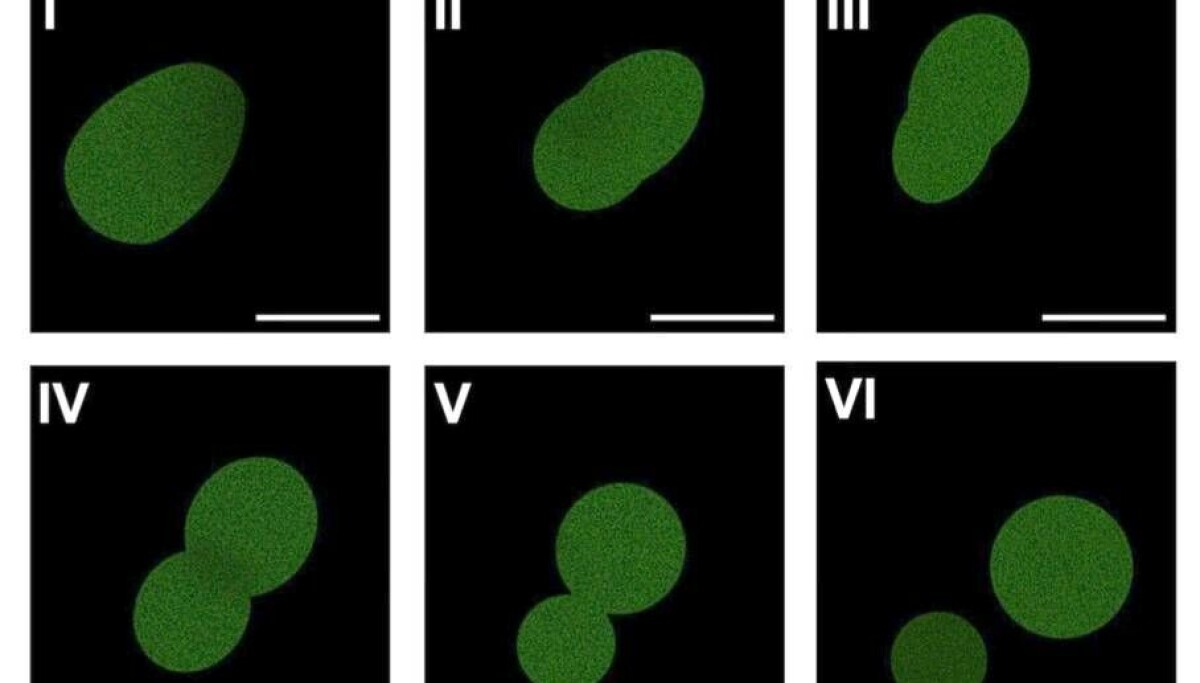
Researchers at the University of Minnesota built SpudCell, the first artificial cell made entirely from non-living chemicals that can feed itself, replicate its DNA, and divide into new generations. The breakthrough could transform synthetic biology and bioengineering by enabling scientists to engineer organisms from scratch for specific functions.
Historic Achievement in Synthetic Biology
University of Minnesota Twin Cities synthetic biologist Kate Adamala and her team created SpudCell, which can grow by fusing with other droplets, replicate its genome, and divide. The structure consists of a microscopic water droplet surrounded by a fatty membrane and stuffed with chemicals and snippets of DNA encoding a mere 36 genes.
Building Blocks and Capabilities
SpudCell is built entirely from known chemical components, and can grow, replicate its genome, divide into new generations of cells, and even demonstrate natural selection and competition as its genes change. To grow and divide, the synthetic cells absorb surrounding biological molecules and enzymes from a specialized fluid mixture to generate necessary proteins and copy their own genetic code. Kate Adamala, a synthetic biologist and professor at the University of Minnesota, led the team that assembled the cell piece by piece, stating 'I know the full ingredient list of the cell, I know exactly what chemicals, what molecules at what concentrations'.
Scientific Significance
Roseanna Zia, a computational cell biologist at the University of Missouri, called this "a stunning scientific achievement". The research, which is being hailed as a major breakthrough, could usher in a new biotech era defined by synthetic organisms that can be grown from scratch and programmed to complete specific functions.
Limitations and Future Outlook
The artificial cells remain fragile and entirely dependent on their laboratory fluid environment. Alongside the paper, Adamala and colleagues launched Biotic, a public-benefit institution intended to share the technology with other researchers, similar to open-source software, with Adamala stating 'We're hoping we're really starting the true age of bioeconomy, enabling technology that will let people engineer biology'.