
Russia Continues Targeted Attacks on Ukrainian Infrastructure as NATO Convenes
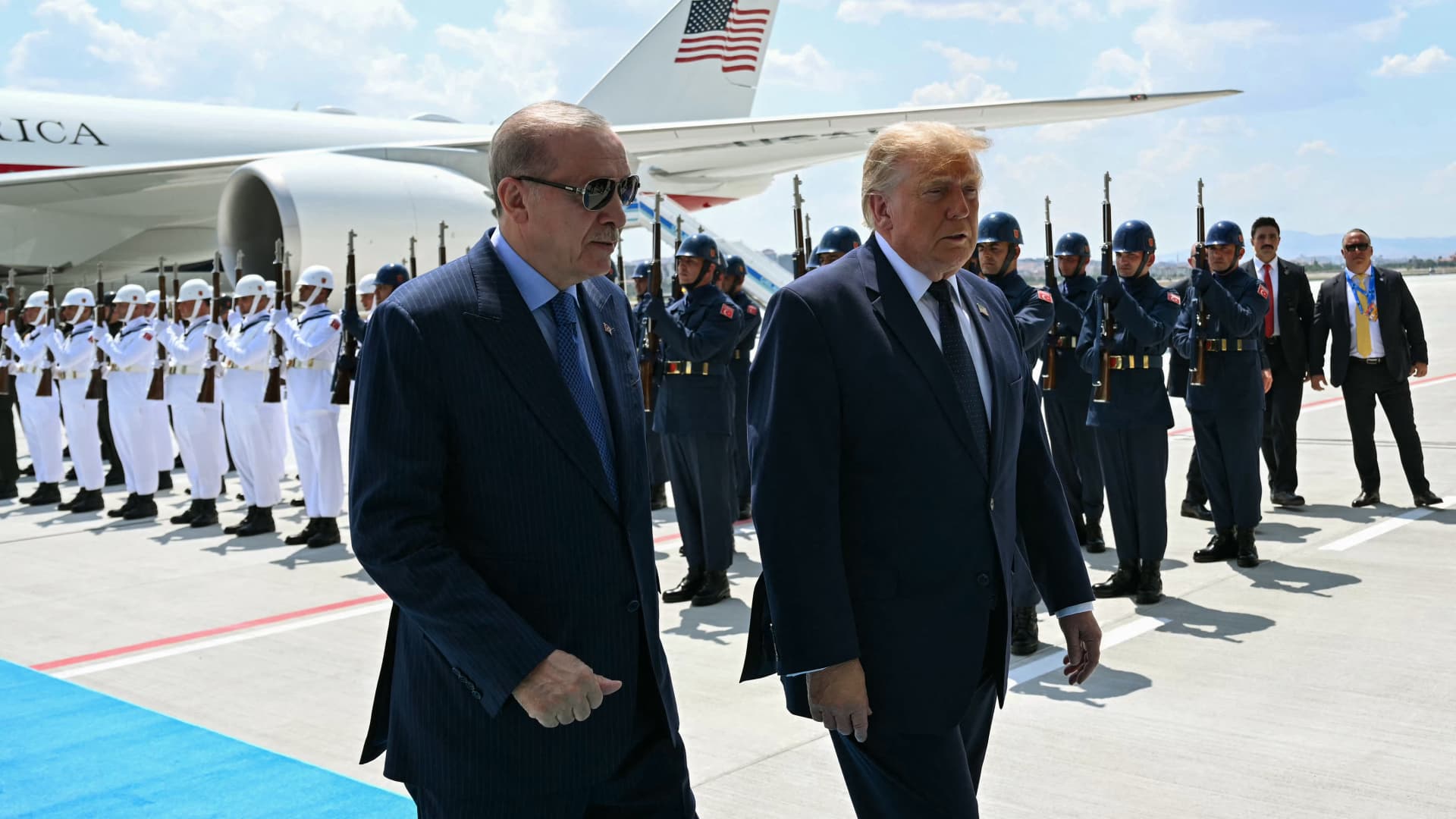
Russia has intensified strikes on Ukraine's civilian infrastructure, destroying gas stations and fuel depots across the country as NATO leaders gather in Ankara. Ukrainian officials report over 150 gas stations have burned in two months amid ongoing Russian attacks.
Escalating Russian Strikes on Fuel Infrastructure
As NATO leaders gather in Ankara today with Ukraine a focal point of the agenda, Russia continues to wage a campaign against the infrastructure of ordinary Ukrainian life, targeting fuel stations, destroying postal hubs and sending missiles into apartment blocks in the middle of the night. Over 150 gas stations have burned down in two months, according to Andriy Pivovarsky, CEO of WOG, one of Ukraine's largest fuel chains, who said that oil depots and other fuel infrastructure facilities come under attack almost every week. In Chernihiv, Russian strikes on gas stations have become almost a daily occurrence, according to local authorities, who said that there have been 25 such strikes in June and July alone.
Impact on Civilian Populations
On Monday, in Zaporizhzhia, a woman and an 11-year-old boy were wounded when a station was hit, officials said. The strikes on civilian infrastructure represent a deliberate strategy to undermine the country's economy and day-to-day functioning even as diplomatic efforts proceed at the NATO summit.
Strategic Context at NATO
On Sunday, Russia bombarded Ukraine's capital city of Kyiv with dozens of missiles and hundreds of strike drones, killing at least 11 and injuring scores more, according to Ukrainian President Volodymyr Zelenskyy and media reports. The attacks on the eve of the summit, which Zelenskyy is slated to attend, ensured that the war will be a pressing focus for the 32-member alliance, which has already labeled Putin's war in Ukraine the "gravest threat to Euro-Atlantic security in decades."
Diplomatic Developments
One day before the strikes, Trump and Putin held a "business-like and constructive" phone call that was initiated by the U.S. and lasted nearly 90 minutes, the Kremlin said. Despite these diplomatic contacts, Russia continues its assault on Ukrainian civilian targets.