
Probiotic Treatment Shows Promise for Depression and Anxiety in Older Adults
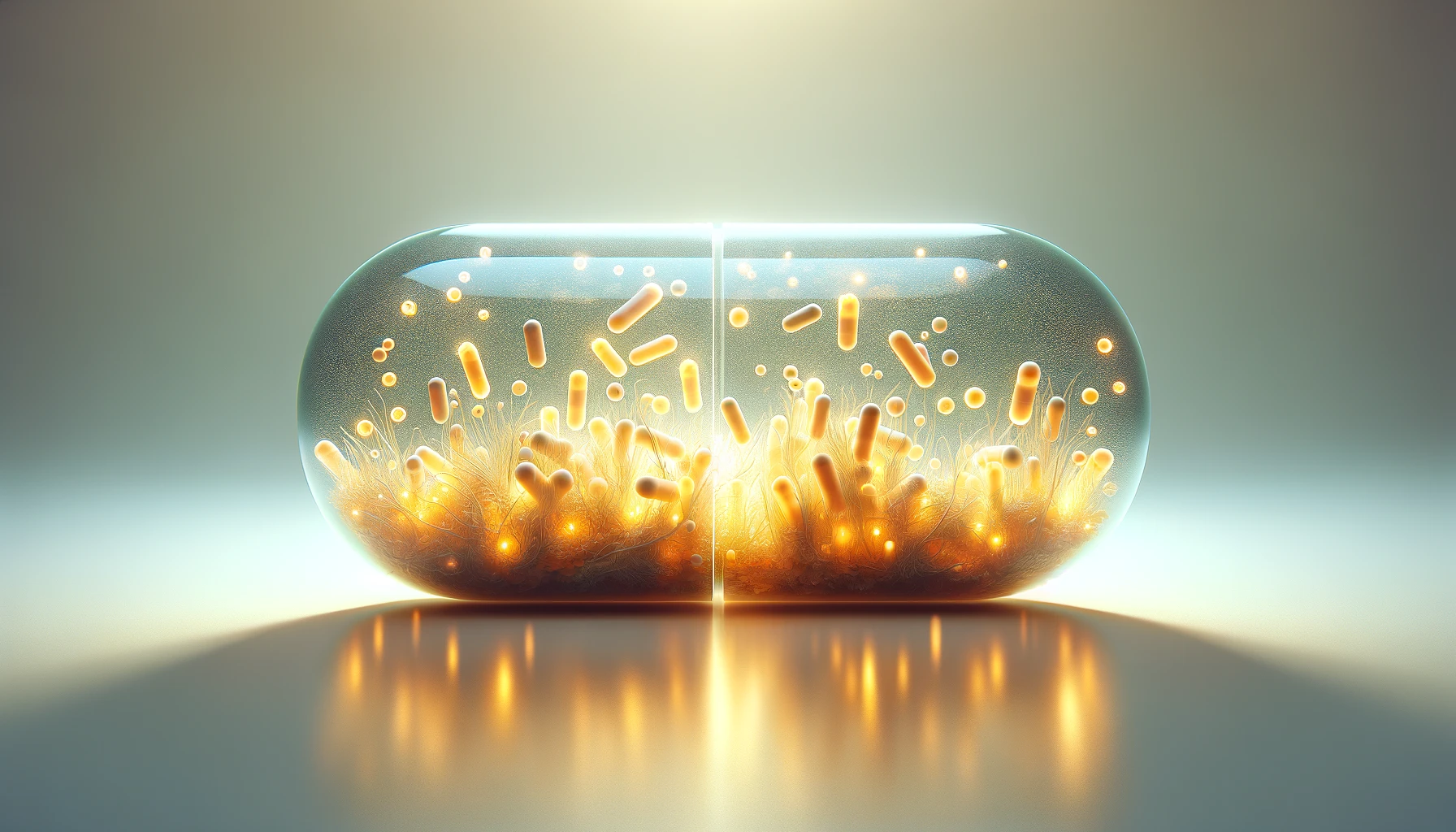
A clinical trial found that taking a daily probiotic alongside antidepressant medication improved mental health outcomes in seniors with depression, suggesting gut bacteria may influence mood.
New Evidence for the Gut-Brain Connection
A small clinical trial suggests that probiotics may offer a surprising mental health boost for older adults with depression. Seniors who took a daily probiotic alongside their regular antidepressant treatment experienced slightly greater improvements.
Understanding the Gut-Brain Axis
The emerging field of research into the gut-brain connection explores how the trillions of bacteria living in our digestive system influence our mental health. Neurotransmitters, immune signals, and metabolic compounds produced by gut bacteria can reach the brain and affect mood, anxiety, and cognitive function. This relationship is known as the gut-brain axis.
Clinical Trial Design and Results
The trial tested whether daily probiotic supplementation combined with standard antidepressant medication could enhance treatment outcomes in older adults struggling with depression. While the improvements were described as modest, the findings suggest that manipulating the gut microbiome through probiotics represents a novel and non-invasive therapeutic approach for mental health conditions that affect millions of seniors.
Implications for Future Treatment
These findings open new avenues for treating depression and anxiety in aging populations. As standard antidepressant medications can have side effects and don't work equally well for all patients, complementary approaches using probiotics could offer additional mental health benefits with minimal risk. Further research will be needed to identify which specific probiotic strains are most effective, optimal dosing regimens, and how this approach might work alongside other depression treatments.