
Oil Prices Retreat From Iran War Peak but Remain Elevated, Keeping Pressure on Households
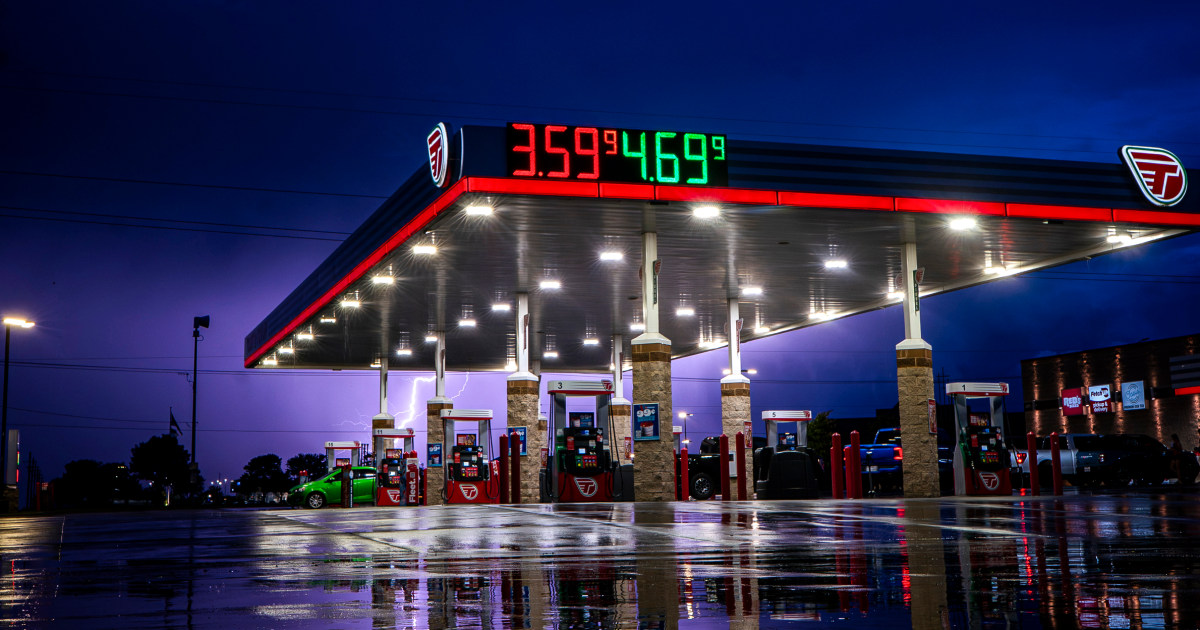
Crude oil prices have fallen from their April highs of over $115 per barrel following tensions with Iran, but remain significantly elevated compared to pre-war levels. Consumers continue paying substantially more for gasoline despite the modest retreat in wholesale energy costs.
Energy Shock Persists
Oil prices have risen 35% in the months since the United States and Israel attacked Iran in late February, though they are well off their highs as U.S. crude oil briefly rose to more than $115 per barrel in early April. At the time of writing, the price of Brent crude was $91 per barrel, down from $111 just a week ago. Despite these declines from peak levels, energy costs remain a significant drag on household purchasing power.
Consumer Pain at the Pump
The national gas price average stands at $4.17 a gallon, up $1.19 since the war began but down from its height of $4.56. Retail gasoline prices have fallen by 41 cents from their high this year, but consumers filling up at the pump are still paying almost 40% more on average than they did before the war began. This persistent gap between current and pre-war prices continues to weigh on household budgets and consumer sentiment.
Economic Uncertainty Remains
If the strait is not reopened soon, there is a significant chance that the price of oil will further increase in the coming weeks. The chief executive officer of a major energy company said that the buffers and the shock absorbers are being steadily drawn down, and the ability for the market to absorb this imbalance is drastically diminished. Blocked shipping routes and production constraints in the Middle East create ongoing risk of renewed price spikes.
Broader Economic Impact
The acceleration in inflation due to the rise in oil prices may be putting some pressure on the purchasing power of American workers. Elevated energy prices have contributed to both headline inflation hitting 4.2% and wage growth lagging behind price increases, squeezing real incomes across income groups. Uncertainty about the geopolitical situation means energy markets could remain volatile in coming months.