
New Solar Desalination Breakthrough Makes Fresh Water Without Toxic Brine
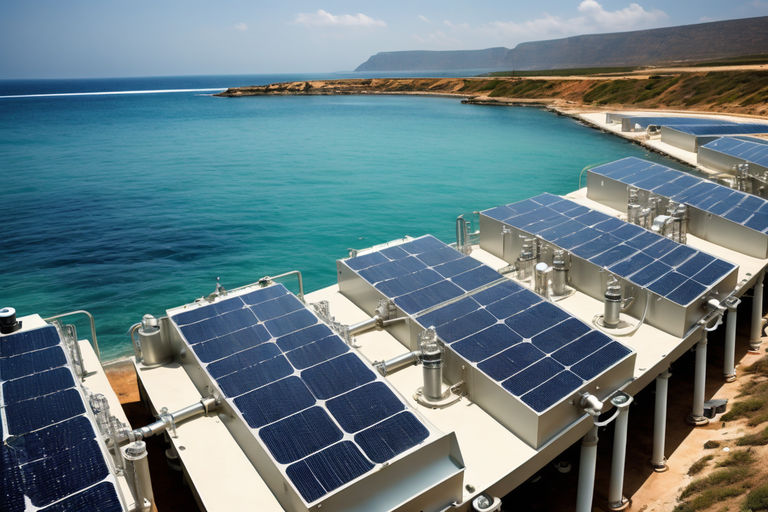
Scientists have developed a solar desalination system that turns seawater into drinking water without creating environmentally damaging brine. Special laser-textured metal panels use sunlight to evaporate water while automatically moving salt away.
Revolutionary Solar Desalination Technology
Scientists have developed a solar desalination system that turns seawater into drinking water without creating environmentally damaging brine. Special laser-textured metal panels use sunlight to evaporate water while automatically moving salt.
The Environmental Challenge
Traditional desalination methods produce vast quantities of concentrated brine as a byproduct, which damages marine ecosystems when discharged back into the ocean. This environmental cost has long limited the deployment of desalination as a sustainable solution for freshwater shortages in coastal regions. The new approach eliminates this problem entirely.
How It Works
The system uses specially designed laser-textured metal panels that absorb solar energy and heat seawater. The innovative panel design automatically manages salt crystals, moving them away from the evaporation surface and preventing salt buildup that typically reduces efficiency. By harnessing only sunlight, the technology requires no electricity input and operates continuously throughout the day.
Scale and Impact
This breakthrough has significant implications for water security in arid and semi-arid regions. With freshwater becoming increasingly scarce globally due to climate change and population growth, solar desalination could provide sustainable drinking water for millions without the environmental guilt of creating toxic brine. The technology is simple enough for implementation in remote coastal communities and developed regions alike.
Next Steps
Researchers are now working to optimize the metal panel design for even greater efficiency and to scale up production for real-world deployment. Early pilots are expected to begin testing the system in water-stressed regions within the coming months.