
New Programmable Photonic Chip Controls Light Speed for Advanced Computing
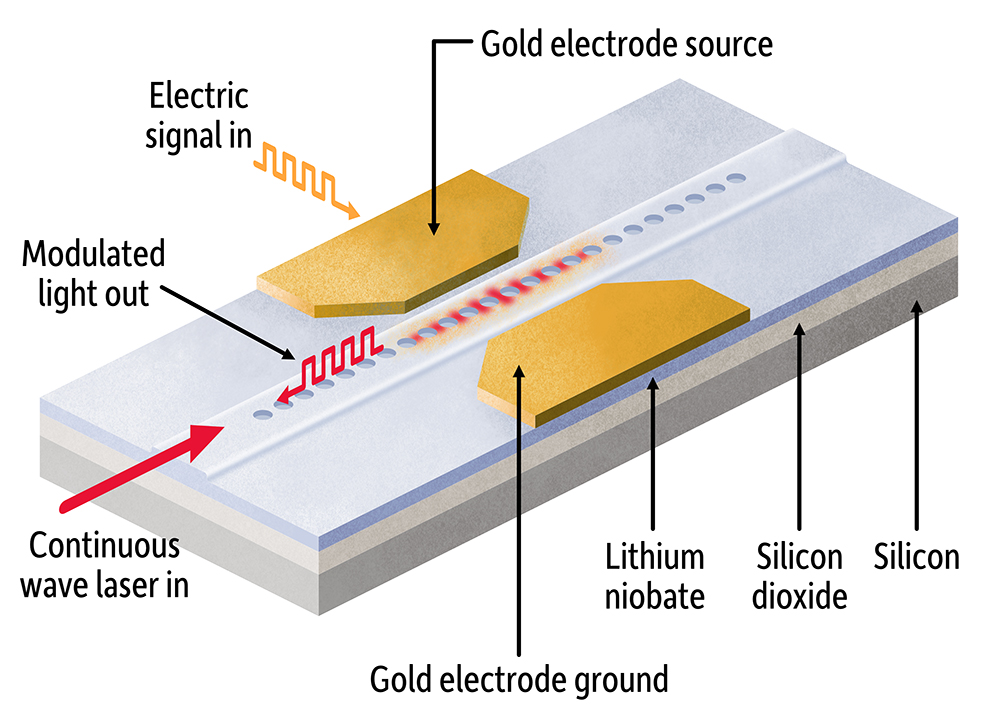
Scientists created a programmable optical chip that can slow light on demand, giving engineers unprecedented control over how optical signals move through circuits for faster computing applications.
Breakthrough in Optical Control
Scientists have created a programmable optical chip that can slow light on demand, giving engineers far greater control over how optical signals propagate through a circuit. This advancement represents a major leap forward in optical computing technology, where manipulating light itself could unlock new computational possibilities.
Technical Innovation and Applications
The technology could provide the delays, synchronization, and buffering needed for next-generation optical computing systems. By controlling the speed at which light travels through circuits, engineers can now coordinate complex optical signals with unprecedented precision—a capability essential for ultra-fast parallel processing and quantum computing architectures.
Advantages Over Previous Approaches
Previously, controlling light propagation required fixed, static components that couldn't be adjusted after fabrication. The programmable nature of this new chip means engineers can reconfigure how light behaves in real-time, adapting to different computational needs without hardware changes. This flexibility could dramatically simplify the design of optical computing systems while improving their efficiency and performance.
Future Computing Implications
Optical computing has long promised to overcome the speed limitations of traditional electronics, but controlling light at the chip level has remained a persistent challenge. This breakthrough addresses that bottleneck by enabling dynamic control of light propagation. As computing demands continue to grow—driven by artificial intelligence, data centers, and quantum computing—photonic chips may increasingly replace electronic components in performance-critical applications, potentially transforming the computing landscape within the next decade.