
New Fentanyl Vaccine Blocks Deadly Overdoses Before They Start
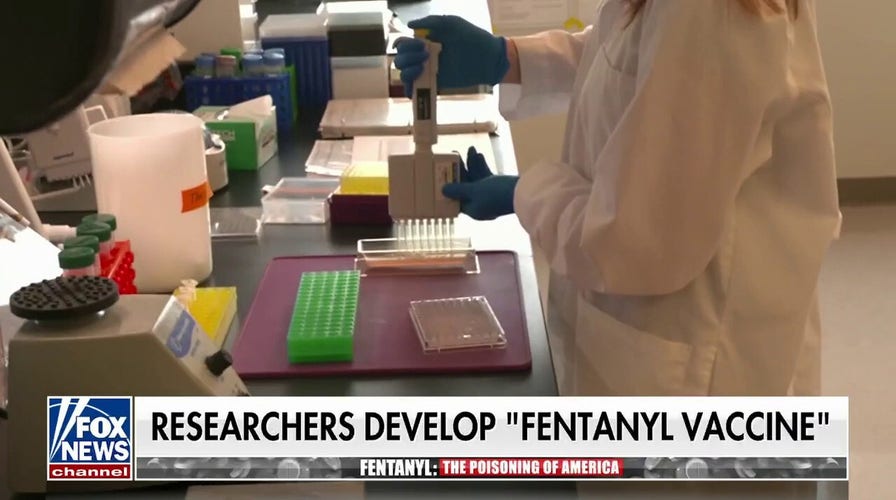
Scientists at Scripps Research have developed an experimental vaccine that could prevent fentanyl overdoses by stopping the drug before it reaches the brain, offering a powerful new approach to combating the opioid crisis.
A Breakthrough in Opioid Addiction Treatment
A new experimental vaccine developed by Scripps Research could offer a powerful new way to prevent fentanyl overdoses by stopping the drug before it reaches the brain. This represents a significant shift in how scientists are approaching the fentanyl crisis, moving from treating overdoses after they occur to preventing them entirely.
How the Vaccine Works
The vaccine operates on a novel principle: rather than treating fentanyl dependence directly, it trains the immune system to recognize and neutralize fentanyl molecules before they can cross into the central nervous system where they cause intoxication and overdose risk. This approach differs fundamentally from traditional addiction medications like methadone or buprenorphine, which work by partially activating opioid receptors.
Why This Matters for Public Health
The fentanyl epidemic continues to claim tens of thousands of lives annually across North America. Fentanyl is significantly more potent than heroin—just a tiny amount can be lethal. A vaccine that could prevent overdoses before they happen would address the crisis at a new level. Individuals could receive protection without requiring ongoing medication adherence, potentially reaching populations with barriers to consistent treatment.
What's Next
The Scripps Research team is moving toward clinical trials to test the vaccine's safety and efficacy in human subjects. Early laboratory and animal studies show promise, but researchers will need to demonstrate that the vaccine can maintain protective immunity over time and doesn't produce harmful side effects. If successful, this could become part of a comprehensive strategy combining prevention, treatment, and harm reduction for opioid addiction.