
New Bird Species Discovered in Japan After DNA Analysis Reveals Hidden Secret
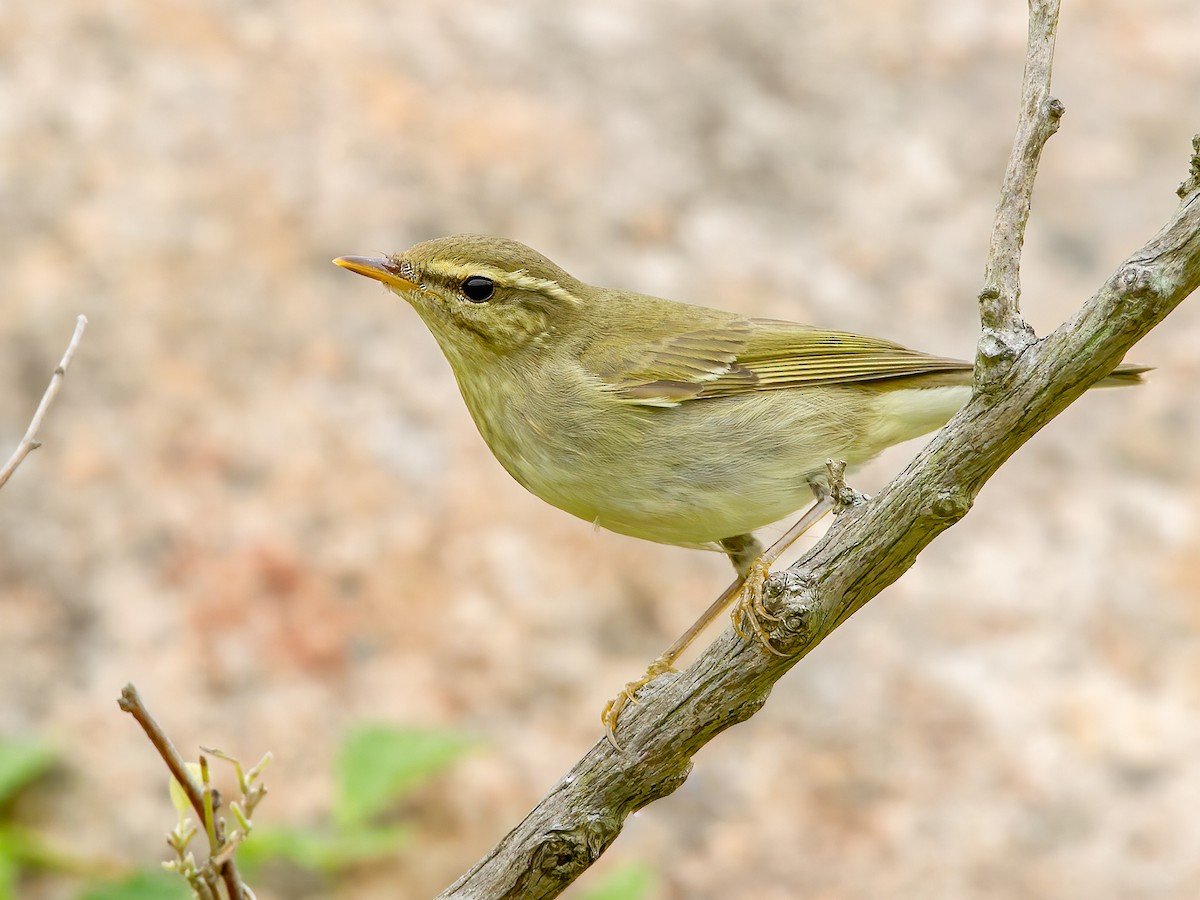
Scientists discovered that what researchers thought was a single rare bird species in Japan is actually two distinct species. DNA analysis and song differences revealed the elusive Ijima's Leaf Warbler is distinct from a newly identified Tokara Leaf Warbler.
The Discovery
A bird long thought to be a single rare species in Japan has turned out to be two. Scientists discovered that the elusive Ijima's Leaf Warbler and a newly identified Tokara Leaf Warbler look almost identical, but their DNA and songs reveal they are distinct species. This finding underscores how modern genetic tools are reshaping our understanding of avian biodiversity.
Morphological and Molecular Evidence
While the two species are nearly indistinguishable to the human eye, molecular analysis has provided definitive proof of their separate evolutionary histories. Genetic divergence patterns indicate these birds have been evolving along separate paths long enough to establish reproductive isolation and distinct vocalizations. The discovery highlights gaps in our knowledge of bird taxonomy despite centuries of ornithological study.
Importance for Conservation
This discovery has significant conservation implications. If one species was actually masking the presence of another, conservation resources may have been allocated less precisely. Understanding the true extent of Japan's avian diversity is crucial for developing effective habitat protection strategies. Both species may face unique ecological pressures and require species-specific management approaches.
Broader Implications for Cryptic Species
The revelation demonstrates that cryptic species—organisms that are difficult to distinguish from closely related species—remain underidentified even in well-studied regions. As genetic sequencing becomes more accessible and affordable, researchers anticipate similar discoveries in other poorly studied animal groups, suggesting that global biodiversity may be significantly higher than current counts indicate.