
Microsoft Debuts Seven New In-House AI Models at Build 2026, Advancing Self-Sufficiency Strategy
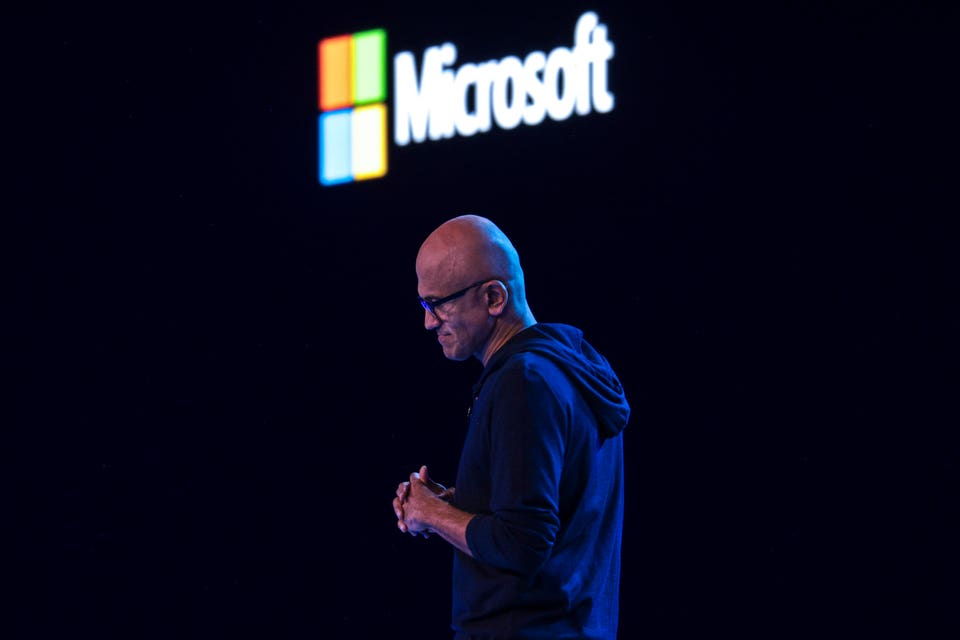
Microsoft announced seven homegrown AI models at its Build conference, including MAI-Thinking-1, its first advanced reasoning model trained from scratch without reliance on third-party model distillation, strengthening its long-term independence from OpenAI.
What Happened
Microsoft debuts MAI-Thinking-1, its first advanced reasoning AI model, trained "from the ground up on clean data, without distillation from third-party models" — MAI-Thinking-1 is one of seven new models announced at Build 2026. The announcements mark a significant strategic pivot toward AI self-reliance.
Windows AI Integration Push
BREAKING: @satyanadella just announced a Dev ready windows, including ZSH, intelligent terminal (hello @warpdotdev) and Homebrew on windows + WSL native containers 📦 during $MSFT BUILD This will all make the new RTX Spark machines running local AI loads. More Windows AI APIs are coming ot more PCs on CPU, GPU, NPU.
AI Models and Developer Support
GitHub unveils a GitHub Copilot desktop app in technical preview, which introduces a new feature called canvases for bidirectional work between users and agents. The move signals Microsoft's commitment to embedding AI deeply into its developer tools and ecosystem. For us, it is not about any one piece of technology or even the platform. It is about how we can build a frontier intelligence ecosystem together.
Competitive Positioning
Microsoft's multi-model strategy and heavy investment in developer-facing AI tools represent an effort to reduce dependency on external AI providers and establish Microsoft as the dominant platform for enterprise and consumer AI applications. The timing aligns with Nvidia's RTX Spark announcement and broader industry efforts to democratize local AI inference.