
Major Review Finds Vaping Likely Causes Lung and Oral Cancers
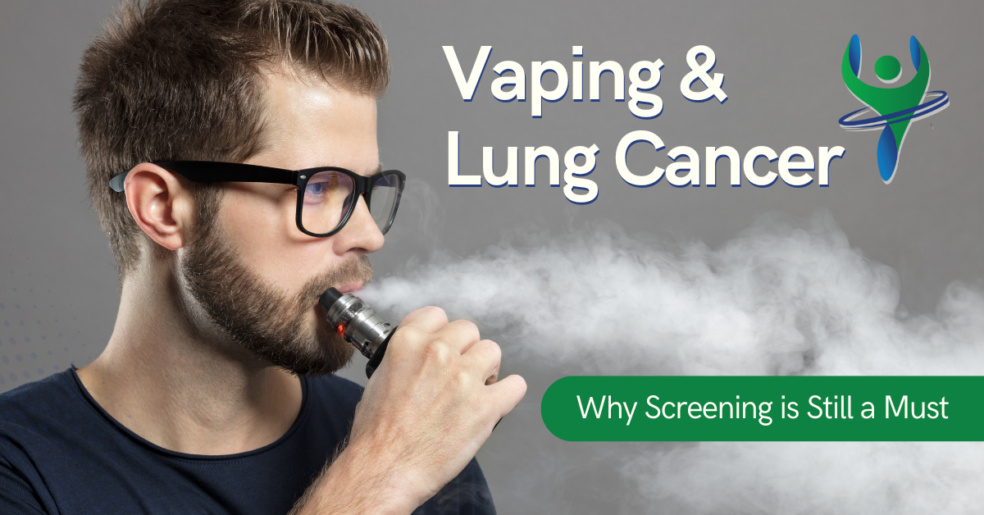
A comprehensive review of evidence from human studies and laboratory research concludes that nicotine vaping products are likely to cause lung and oral cancers, challenging the perception that vaping is harmless.
Comprehensive Evidence Review on Vaping Risks
Researchers have concluded that nicotine vapes are likely to cause lung and oral cancers, based on evidence ranging from human biomarkers to animal and laboratory studies. The findings challenge the idea that vaping is a harmless alternative to cigarettes. This major review synthesizes years of accumulating evidence into a definitive assessment of vaping's cancer risk profile.
Evidence Supporting Cancer Causation
The review examined multiple lines of evidence including human biomarker studies showing exposure to harmful chemicals, animal models demonstrating carcinogenicity, and laboratory studies of vape aerosol composition. Researchers identified several concerning compounds in vape vapor, including formaldehyde and other known carcinogens. The convergence of evidence from different study types strengthens the conclusion that vaping poses genuine cancer risk, particularly to the lungs and oral cavity where vapor makes direct contact.
Why This Matters for Public Health
This finding is crucial because many people adopted vaping under the assumption it was safer than smoking. The review provides scientific clarity that while vaping may be less harmful than traditional cigarettes in some respects, it is not harmless. Policymakers, healthcare providers, and the public need this evidence to make informed decisions about vaping products and regulation, particularly protecting youth from initiation.
Ongoing Research and Implications
Future research will likely focus on dose-response relationships, identifying the most dangerous vaping compounds, and developing harm-reduction strategies. Understanding individual susceptibility factors could help identify who faces the greatest cancer risk from vaping, informing personalized prevention strategies.