
Major Genetic Breakthrough Reveals Hidden Causes of Severe Morning Sickness in Pregnancy
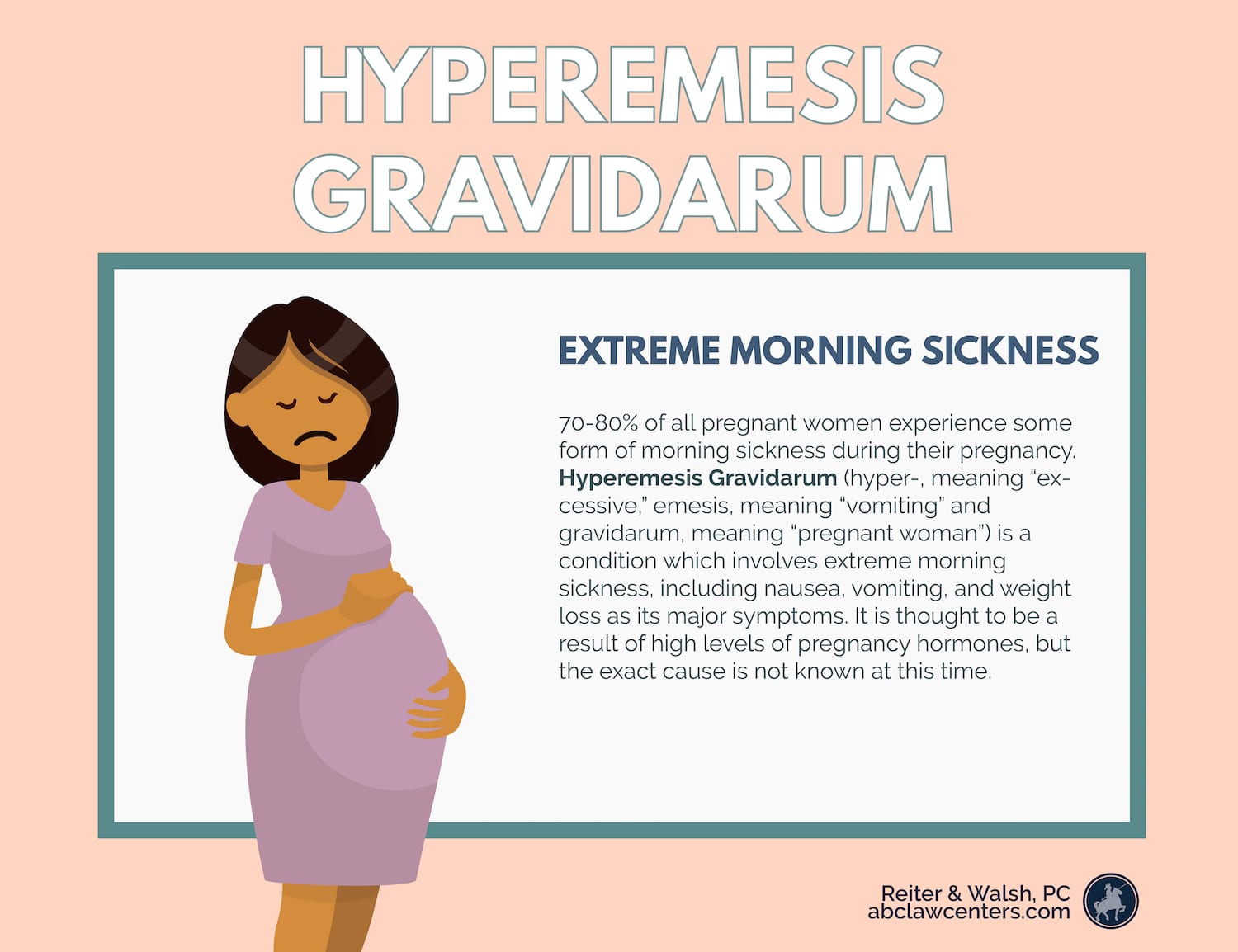
Researchers identified nine new genes linked to hyperemesis gravidarum, the most severe form of pregnancy sickness, bringing the total number of known risk genes to ten and potentially opening new treatment paths for pregnant women.
Discovery Details
A massive genetic study has identified nine new genes linked to hyperemesis gravidarum (HG), the most severe form of pregnancy sickness, bringing the total number of known risk genes to ten. This breakthrough marks a significant step forward in understanding the biological mechanisms behind a condition that affects a portion of pregnant women worldwide and can lead to severe dehydration, malnutrition, and hospitalizations.
What Hyperemesis Gravidarum Is
Hyperemesis gravidarum is far more serious than typical morning sickness. Unlike common pregnancy nausea, HG involves persistent, severe vomiting that can prevent pregnant women from keeping down food and fluids. The condition can result in significant weight loss, electrolyte imbalances, and vitamin deficiencies—complications that require medical intervention. Many women with HG experience reduced quality of life and emotional distress as they struggle through pregnancy.
Clinical Significance
Previous research had identified only one gene associated with HG susceptibility. This new study's discovery of nine additional genetic markers nearly quintuples the genetic understanding of the condition. By identifying these risk genes, researchers are now better positioned to develop targeted therapies, improve risk stratification for women, and potentially offer personalized treatment approaches. The genetic findings may also help differentiate HG from other causes of severe vomiting during pregnancy, enabling faster and more accurate diagnoses.
What to Watch Next
Pharmaceutical and biotech companies are expected to accelerate drug development efforts targeting the newly identified pathways. Clinical trials for gene-based therapies could be initiated within the next 12-24 months. Additionally, genetic counseling services for women with a family history of HG may become more refined as testing options expand. The research team plans to publish detailed findings in peer-reviewed journals, which will guide further investigation into treatment mechanisms.