
Long-Lived Families Reveal Genetic Clue to Extending Healthy Aging by Decades
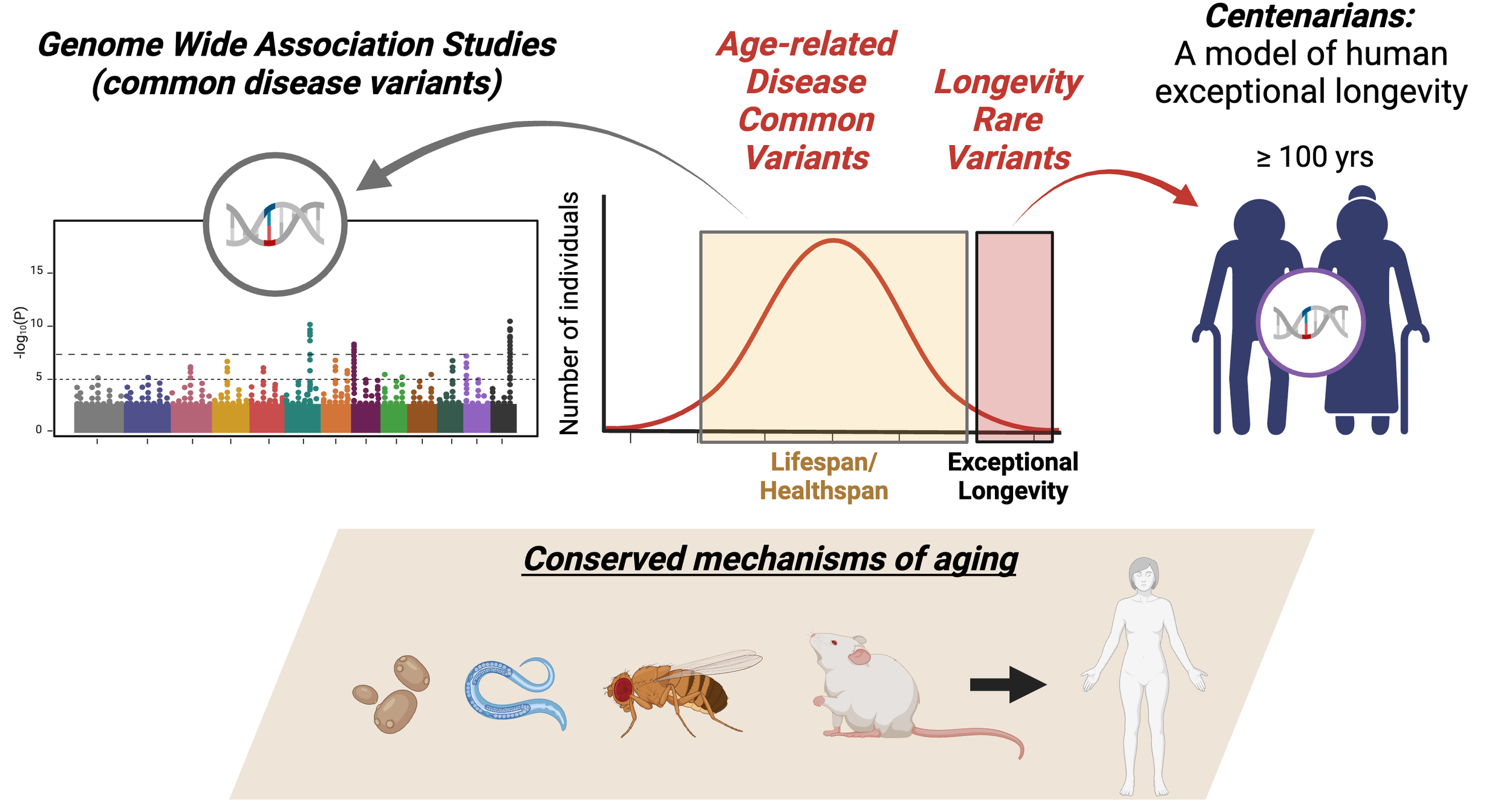
A new study of families with multiple centenarians identified rare genetic variants that may help people stay healthier longer, with one mutation appearing to temper inflammation.
Breakthrough in Longevity Research
A study of long-lived families has identified rare genetic variants that may help people stay healthier for much longer as they age. One standout mutation appears to temper inflammation, potentially delaying disease and extending years of healthy aging. This research examined families with multiple members living past 100 years, seeking to isolate genetic factors that contribute to extended healthspan—the period of life spent in good health.
Methodology and Sample Population
Researchers analyzed DNA from individuals in families with exceptional longevity records, comparing their genomes to control populations. The study identified rare variants that were enriched in long-lived families but nearly absent in average-lifespan cohorts. Subsequent functional studies in cellular models and animal systems validated that these variants altered key biological pathways related to aging and disease resistance.
The Inflammation Connection
The most striking finding involved a genetic variant that suppresses chronic inflammation—the low-grade, systemic inflammation linked to aging-related diseases including cardiovascular disease, diabetes, and neurodegeneration. By maintaining lower baseline inflammation despite advancing age, carriers of this variant exhibited delayed onset of multiple age-related conditions. This discovery aligns with growing evidence that inflammaging is a central mechanism driving age-related disease.
Clinical and Therapeutic Implications
These genetic findings may eventually inform development of therapies that mimic the protective effects of these rare variants. Researchers emphasize that genetic factors alone do not determine longevity—lifestyle factors including diet, exercise, sleep, and social engagement remain critical. Understanding the biology of centenarians could accelerate drug discovery for conditions affecting large populations.