
Legionnaires' Disease Cluster Expands on NYC's Upper East Side
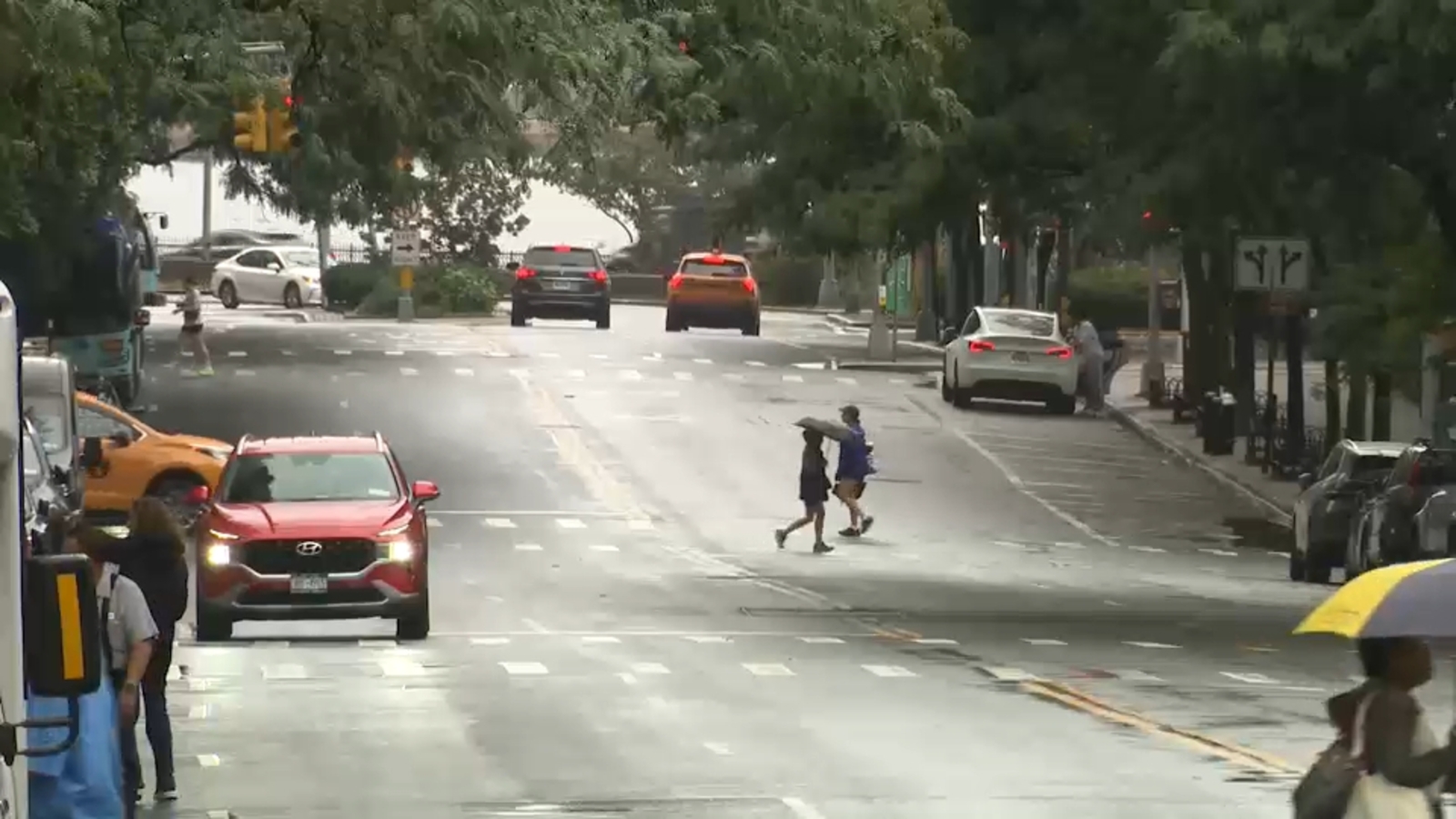
New York City confirmed 23 cases of Legionnaires' disease in two neighborhoods, Yorkville and Carnegie Hill, on Manhattan's Upper East Side as of July 6, 2026. Health officials warn residents and Central Park visitors to monitor for symptoms as the outbreak investigation continues.
The Outbreak
As of July 6, 23 cases of Legionnaires' disease have been confirmed in two of Manhattan's Upper East Side neighborhoods, Yorkville and Carnegie Hill. The cluster represents a significant public health concern in one of New York's most densely populated areas.
Public Health Response
Anyone who visited the impacted area, including the east side of Central Park, should monitor for symptoms. Legionnaires' disease is a serious form of pneumonia caused by the bacterium Legionella, which can be transmitted through contaminated water systems. Health authorities are investigating the source of the contamination and have issued alerts to the public.
Symptoms and Monitoring
Health officials urge people who may have been exposed to watch for respiratory symptoms including fever, cough, shortness of breath, and muscle aches. Those who develop symptoms are advised to seek immediate medical attention. The disease typically manifests 2 to 14 days after exposure to contaminated water mist or aerosols.
Next Steps
Investigations continue into the source of the outbreak, which likely involves building water systems or cooling towers in the affected neighborhoods. Public health authorities are working with building owners and water utility companies to identify and remediate contamination sources to prevent further cases.