
Inflation Surges to 4.2% as Energy Prices Hit 3-Year High
U.S. inflation jumped to 4.2% in May, the highest level since early 2023, driven primarily by rising gasoline prices linked to the Iran war. Real wages for American workers fell as inflation outpaced wage growth of just 3.4%, creating economic challenges heading into midterm elections.
What Happened
Inflation in the United States increased to 4.20 percent in May from 3.80 percent in April of 2026. Since the U.S. and Israel launched the war against Iran in late February, oil prices have risen nearly 40%. The energy index rose 3.9 percent in May and accounted for over sixty percent of the overall number's rise. This marks the inflation's highest level since April 2023, representing the third consecutive monthly acceleration in headline inflation, driven largely by higher gasoline prices.
Real Wages Under Pressure
For the second month in a row, inflation surpassed wage growth, which was tracking at 3.4% in the most recent jobs report. Real average weekly earnings decreased 0.2% during May and 0.7% from a year ago, marking the biggest year-over-year decline in real earnings since February 2023. This erosion of purchasing power comes as households are already stretched with rising costs for necessities, contributing to broader economic anxiety.
Political and Market Ramifications
Inflation is shaping up to be a big liability for Republicans during this fall's midterms, with voters frustrated with persistent inflation and polls showing majorities disapprove of President Donald Trump's handling of the cost of living. Rising gas prices pushed inflation to its highest level in three years last month, a headache for the Federal Reserve and a potential political challenge for the Trump administration as midterm elections near.
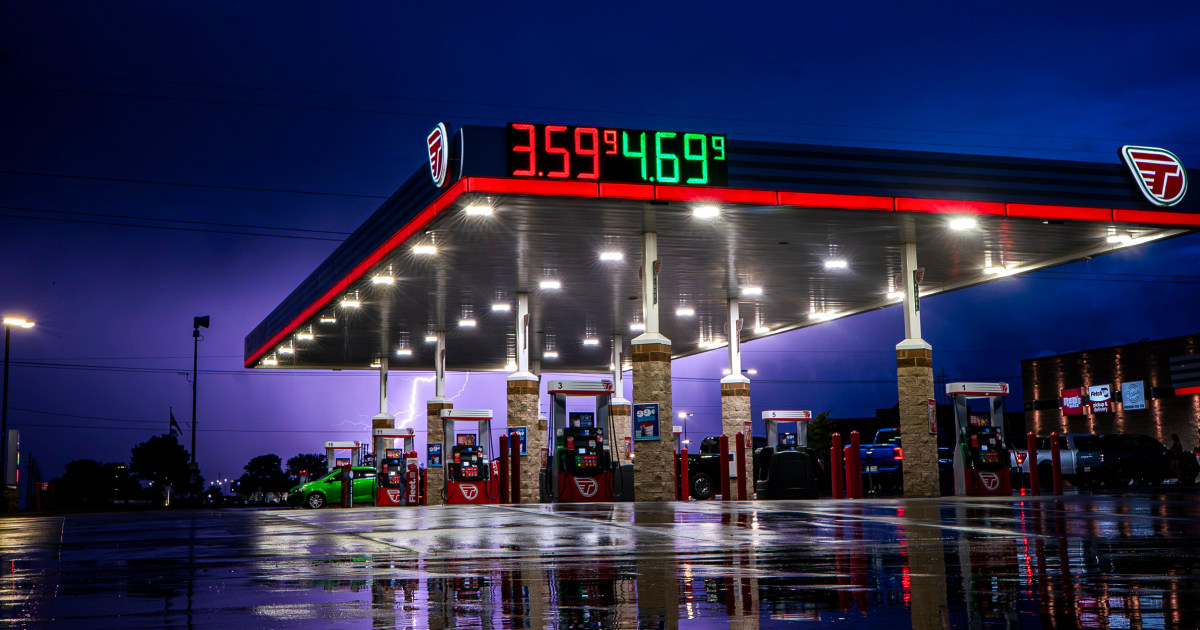
President Trump downplayed concerns about inflation, saying he "loves" the spike because the U.S. is extracting Iranian oil. However, consumers filling up at the pump are still paying almost 40% more on average than they did before the war began, despite oil prices having fallen 35% from their highs earlier this year.
What to Watch
The futures market's implied probability that the US Fed will raise rates this year went from 42.5% before the jobs report release to 70% right after. The futures market currently sees an implied probability of 44% that the Fed will raise the benchmark interest rate this year. New Fed Chair Kevin Warsh will preside over his first FOMC meeting on June 16–17, with markets watching closely for any indication the central bank may need to raise rates to combat persistent inflation.