
Housing Bill Becomes Law Without Trump's Signature as Deadline Expires
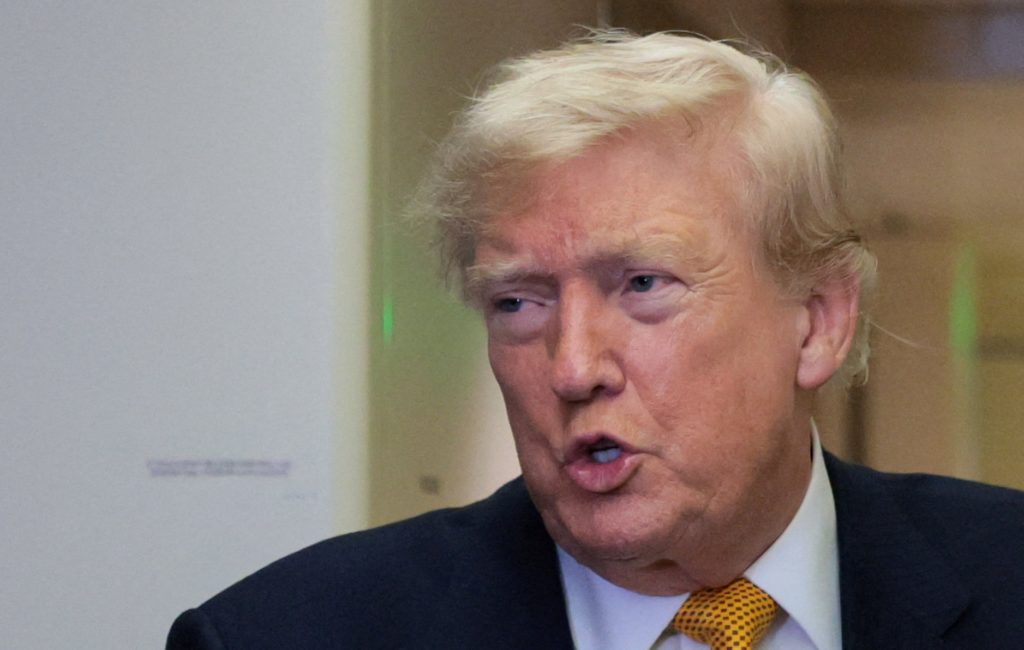
President Trump refused to sign a major bipartisan housing bill passed by Congress, but allowed it to become law automatically at midnight on July 11. The 21st Century ROAD to Housing Act, which aims to reduce home costs and increase construction, passed with overwhelming majorities despite Trump's protest over a separate voter ID bill.
What Happened
President Donald Trump let the bipartisan housing bill approved by Congress become law without his signature on Friday, refusing to sign it because of the little progress made in passing a strict voter ID bill. The 21st Century Road to Housing Act already passed both chambers of Congress by overwhelming majorities and became law on Saturday without Trump's veto. The housing bill passed the Senate on an 85-5 vote and the House approved it with a 358-32 vote.
Trump's Protest and Reasoning
Trump posted on social media: "I will not sign the Housing Bill, which has been fully approved by Congress and sent to the White House, in PROTEST over the fact that the United States Senate is not capable of passing THE SAVE AMERICA ACT". Trump called the bill "a yawn" and "so unimportant" compared to legislation that would require proof of citizenship for all voters. He surprised Republican lawmakers on June 24, when, shortly before a planned signing ceremony at the Capitol, he announced he would not approve the bill until lawmakers first passed the voting legislation.
Scope and Impact of Housing Legislation
The 21st Century ROAD to Housing Act aims to lower the cost of housing and spur more home construction, representing the broadest federal effort in decades to address America's housing affordability problems, as state and local regulations have made it difficult to build in many communities. White House economists estimated a national shortage of 10 million homes and the bill could help to close a portion of that gap. The housing bill aims to make homeownership more affordable, primarily by encouraging homebuilding across the country and is packed with more than 40 provisions contributed by both Republicans and Democrats.
Political Repercussions
Trump's rejection of the bipartisan housing legislation exacerbates tensions with his own party in a midterm election year and cuts short their efforts to address a key voter concern about rising costs. Trump's decision not to sign the bill gave Democrats an opening to criticize him on affordability, with Senate Democratic leader Chuck Schumer saying on social media: "His priorities couldn't be clearer: higher cost for families and more power for himself".