
Google Launches Gemini 3.5 as Advanced Agentic Model, Reshaping AI Competitive Landscape
Google introduced Gemini 3.5, its latest model series designed for complex agentic workflows, as the company navigates recent leadership departures and intensifying competition from Anthropic and OpenAI.
Google Launches Gemini 3.5 for Agentic AI Tasks
Google's latest Gemini models combine frontier intelligence with action, built to help execute complex, multi-step workflows. Gemini 3.5 is leading across a wide range of benchmarks, positioning it as a flagship offering for enterprise customers looking to move beyond experimentation into production-scale AI.
Competitive Pressure and Market Dynamics
The launch comes amid significant market turbulence for Google. On June 22, 2026, Alphabet shares fell as much as 7.2% intraday—the sharpest move since February—before closing down roughly 5%, with the company experiencing its worst day in over a year, driven squarely by AI departures. Noam Shazeer, who Google had brought back in August 2024 as part of a reported $2.7 billion deal with Character.AI to become co-lead of Gemini, announced in June 2026 that he is leaving Google for OpenAI. Additionally, John Jumper, a vice-president at Google DeepMind who shared the 2024 Nobel Prize in Chemistry for AlphaFold, is joining Anthropic.
Performance and Deployment Focus
Gemini 3.5 represents Google's pivot toward real-world execution. The model handles complex, long-horizon coding tasks that require deep context understanding across entire codebases. The model uses long context far more effectively than Gemini 2.5 Pro and has solved problems that stumped other leading models. Early partnerships show momentum: Gemini 3.5 Flash beat Gemini 3 Flash by 19.6% on Box's enterprise work evaluation set.
Market Outlook
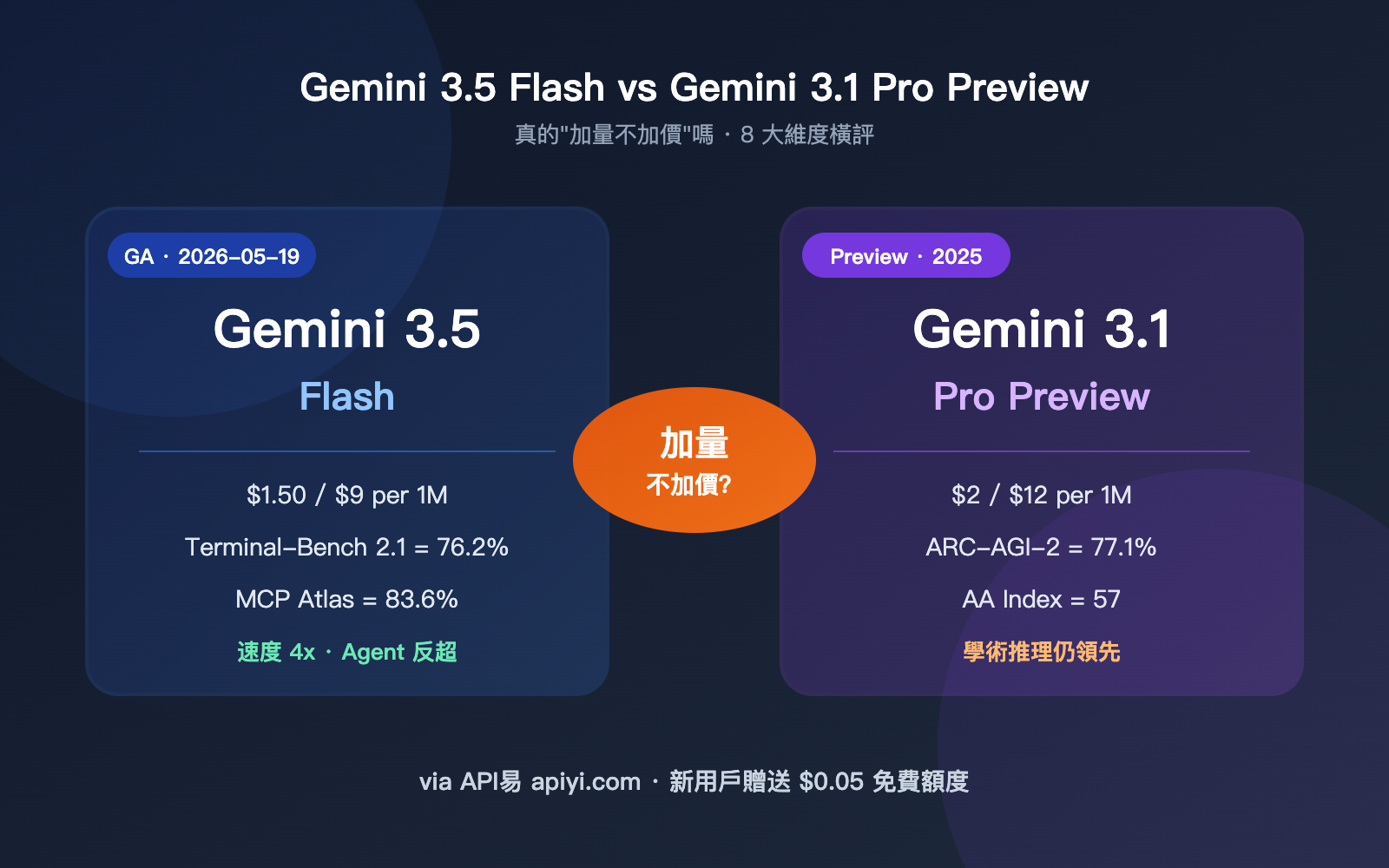
With Grok undercutting on price and open-weight GLM-5.2 offering MIT-licensed weights at a fraction of closed-model cost, Gemini 3.5 Pro pricing lands near $2 in / $12 out, driven by competitive pressure making an aggressive premium untenable for cost-sensitive agent workloads. The launch underscores a shift across the AI industry: winning no longer depends solely on model intelligence, but on infrastructure control, deployment partnerships, and operational execution.