
Federal Reserve Raises Interest Rates for First Time Since 2023 Amid Inflation Fight
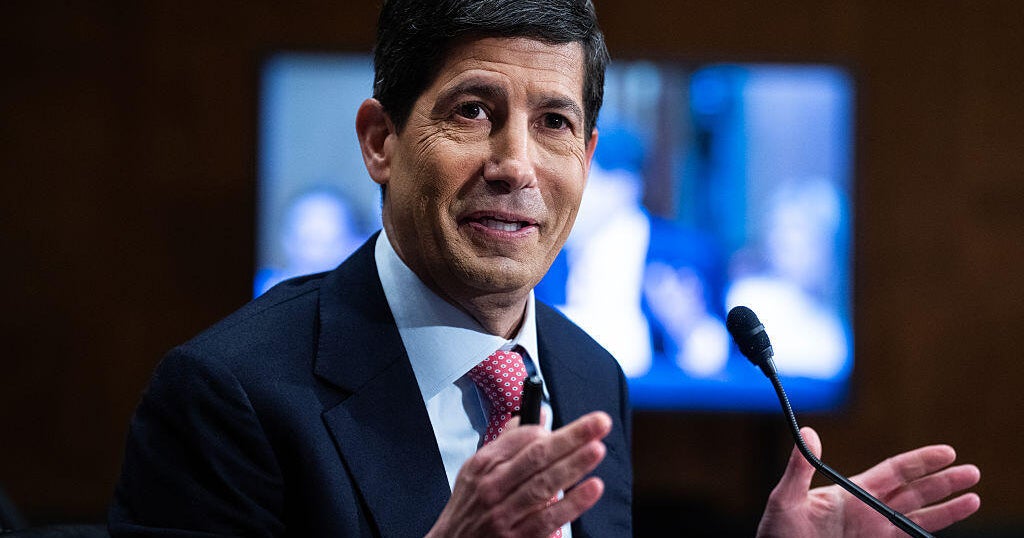
The Federal Reserve raised its benchmark interest rate on Wednesday for the first time in over three years, marking a pivotal shift as it battles stubborn inflation driven by high energy prices from the Iran conflict.
Historic Rate Hike to Combat Inflation
The Federal Reserve raised its benchmark interest rate on Wednesday for the first time in more than three years as the central bank battles stubborn inflation fueled by high energy prices. The Federal Reserve raised the target range for the federal funds rate by 25 basis points to 3.75%-4.00%, marking the first rate hike since 2023. This decision came despite President Trump's repeated calls for lower interest rates.
Economic Context Behind the Decision
Inflation remains well above the central bank's 2% annual target, with the Consumer Price Index rising at an annual pace of 3.4% in August. The United States weathers a months-long bout of elevated inflation set off by the Iran war. Global oil prices are hovering near a four-month high and the average price for a gallon of gasoline tops $4.30. Energy costs have become the primary inflation driver, with diesel prices risen to $6 a gallon, adding further pressure to the inflation outlook as an end to the conflict appears increasingly distant.
Fed Leadership and Market Expectations
Federal Reserve Chair Kevin Warsh, who took the helm of the central bank in May, has vowed to cool off persistently elevated price increases. Traders priced in a 92% chance of a rate hike according to CME FedWatch. Wall Street forecasters pencil in one or two additional rate hikes over the next several months. The Fed also released its Summary of Economic Projections alongside the rate decision, offering guidance on future monetary policy.
Market and Economic Impact
The U.S. economy has shown signs of additional strain in recent days, including a bond selloff that is pushing up borrowing costs for credit cards and mortgages. Interest rate hikes are the Fed's most potent tool for quashing inflation because businesses and consumers respond by pulling back on spending, cooling the economy and tempering price increases as demand slows. For consumers and businesses, borrowing is likely to get more expensive for Americans.