
Fed Governor Bowman Cautions Against Rate Hike as Inflation Spike Persists
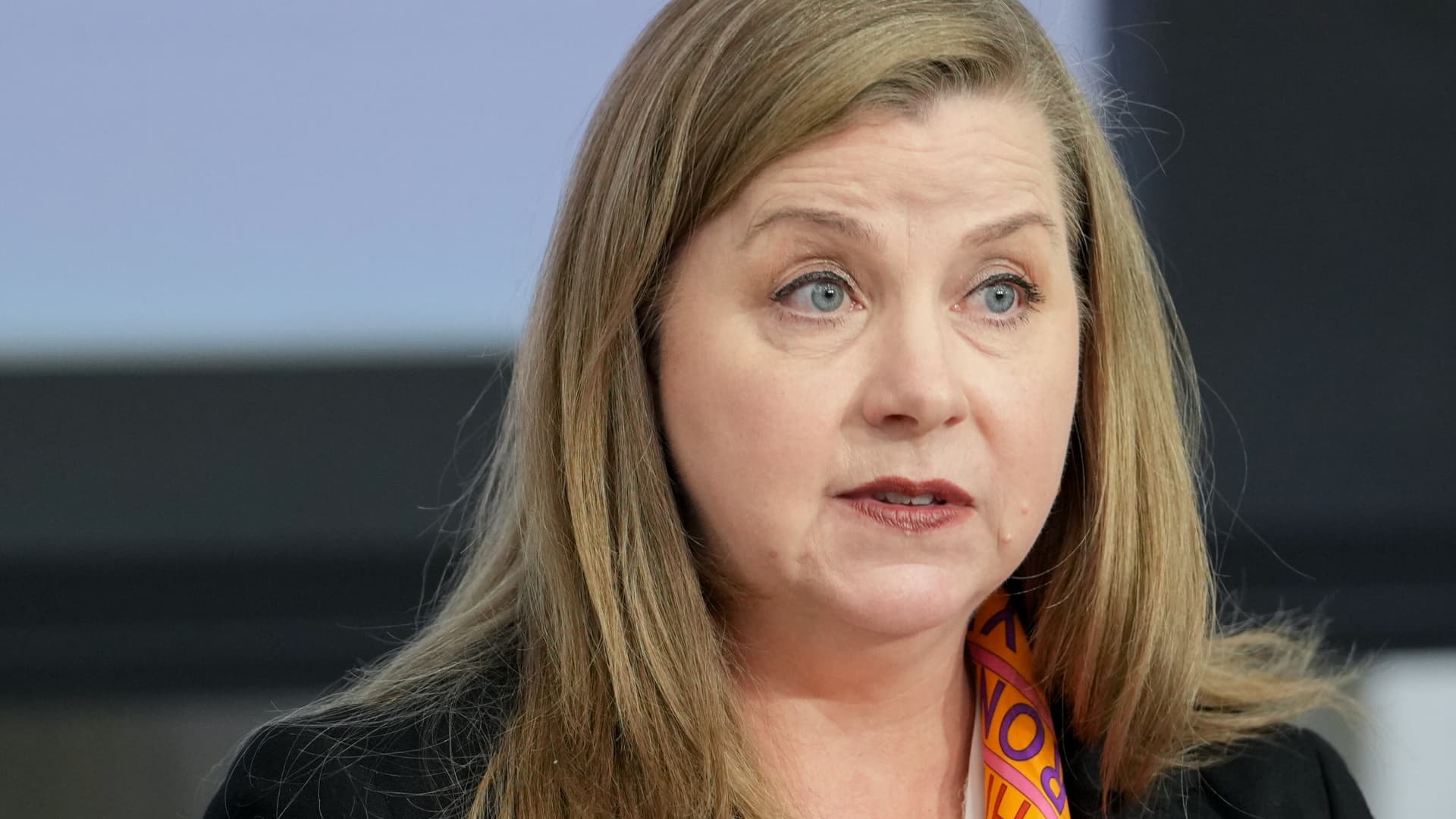
Federal Reserve Governor Michelle Bowman warned against raising interest rates in response to surging inflation driven by energy prices from the Iran war, arguing that tightening policy would unnecessarily harm economic growth and employment.
What Happened
Federal Reserve Governor Michelle Bowman on Friday cautioned against raising interest rates to address the current spike in prices. "Reacting to temporarily elevated energy price inflation would add unwarranted policy restraint, weighing unnecessarily on economic activity and labor market conditions," the policymaker said.
Bowman's remarks come amid mounting pressure within the Fed over how to handle inflation. With inflation running well above the central bank's 2% target, markets are expecting the Fed to stay on hold this year then possibly start raising rates in early 2027. Current pricing is indicating virtually no chance of cuts anytime through at least 2027.
The Inflation Challenge
Inflation jumped to 3.8% in April compared with a year ago, the Commerce Department said Thursday, up from 3.5% in March and the highest since May 2023. Excluding the volatile food and energy categories, core inflation rose to 3.3% in April from 3.2% the previous month. It is the highest core figure since October 2023.
In addition to gasoline, prices for groceries, clothing and electricity are also on the rise, indicating inflation could persist. Rapid investment in artificial intelligence centers also appears to be driving up the cost of computer equipment and software, adding to inflationary pressures.
Policy Crosscurrents
Bowman's dovish stance conflicts with other Fed officials' concerns. Federal Reserve officials' concerns about inflation being stoked by the Iran war intensified last month, with a growing number of them saying the central bank should lay the groundwork for a possible rate hike, a sign that incoming Chair Kevin Warsh will inherit an increasingly hawkish crew of central bankers. Moreover, a majority of Fed policymakers at their April 28-29 meeting said some policy tightening may be needed were inflation to continue running persistently above the central bank's 2% target.
Thursday's report showed that Americans' after-tax, inflation-adjusted incomes fell for the third straight month, while spending, adjusted for inflation, barely rose. This suggests households are already feeling the squeeze from rising prices.