
Fed Chair Warsh Warns Inflation Threats Persist; Markets React to Hawkish Signals
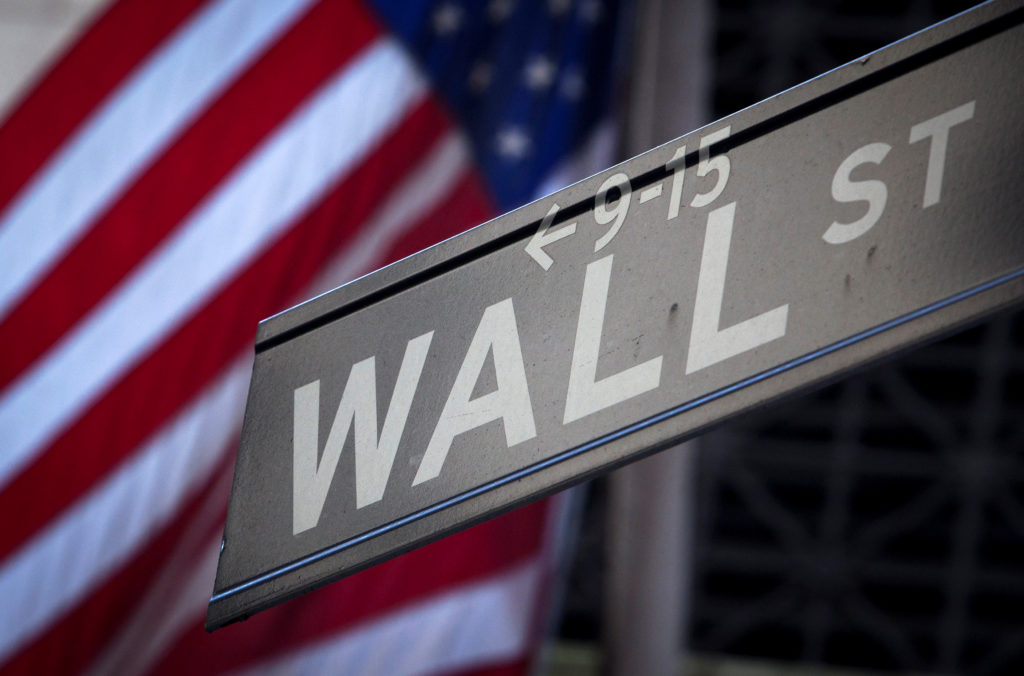
Federal Reserve Chair Kevin Warsh delivered his first major policy remarks at the European Central Bank Forum in Portugal on July 1, 2026, reiterating the Fed's commitment to bring inflation back to its 2% target. His comments arrived as inflation hit 4% for the first time in three years, driven by oil prices and the ongoing Iran conflict, cooling market expectations for near-term interest rate cuts.
Warsh Signals Hawkish Stance on Inflation
Fed Chair Kevin Warsh said at the ECB's annual Forum on Central Banking in Sintra, Portugal that inflation risks have eased in recent weeks, but the US central bank remains committed to restoring inflation to its 2% target, with delivering price stability remaining the Fed's primary objective. His remarks represent a critical moment for markets as the central bank charts a course under new leadership.
Inflation Accelerates to Three-Year High
US inflation topped 4% for the first time in three years as oil prices jumped, upending earlier expectations for rate cuts. The annual inflation rate in the US rose to 4.2% in May 2026, marking its highest level since April 2023, from 3.8% in April and in line with market expectations. This represents the third consecutive monthly acceleration in headline inflation, with energy costs jumping 23.5%, due to the energy shock triggered by the conflict with Iran.
Market Implications and Fed Rate Path
Investors locked in profits and shifted focus to a busy day of economic data and comments from Federal Reserve Chair Kevin Warsh, with markets looking for clues on the path of interest rates after stronger-than-expected labor market data cooled expectations for near-term rate cuts. Markets now price in a reasonable chance of a rate hike later in 2026, a stark contrast to the one to two rate cuts expected earlier this year before energy prices rose.
Labor Market Strength Complicates Rate-Cut Case
The ADP National Employment Report showed soft private sector hiring in June, with companies adding 98,000 people, a number modestly below consensus estimates. However, broader labor trends remain solid, providing the Fed ammunition to hold or potentially tighten policy rather than ease.