
FDA Poised to Decide on Moderna's mRNA Flu Vaccine
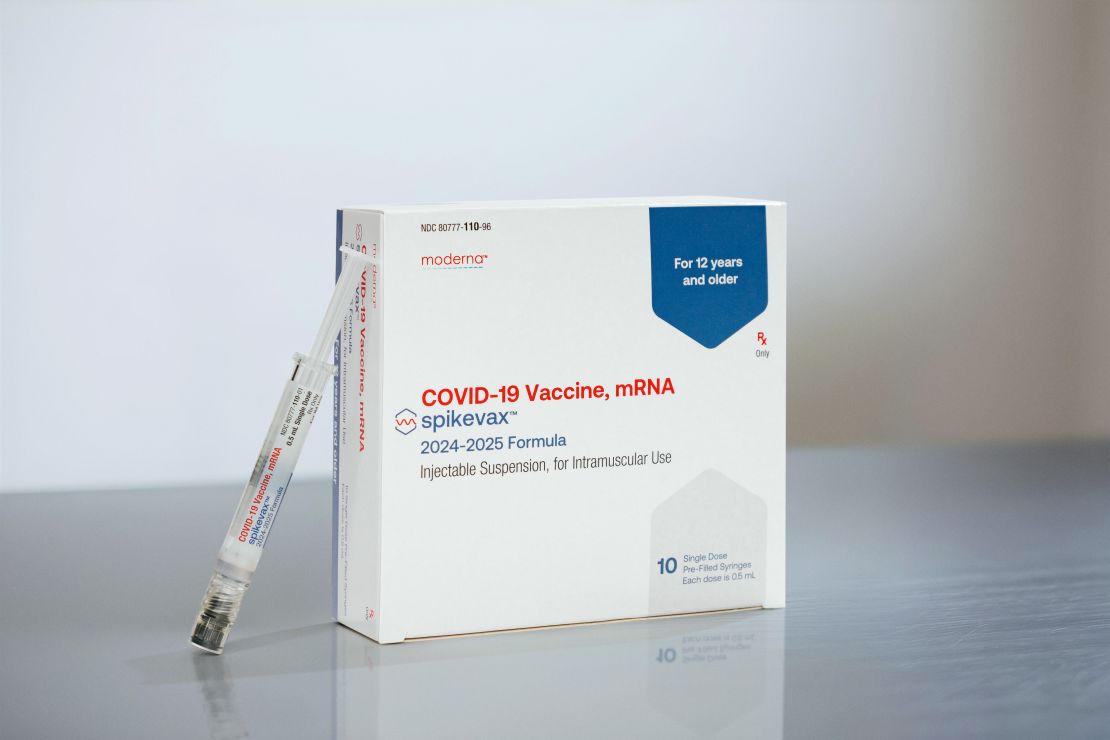
The FDA is preparing a decision on Moderna's groundbreaking mRNA-based influenza vaccine, which could become the first of its kind to reach the market if approved. The regulatory milestone reflects growing confidence in mRNA technology beyond COVID vaccines.
Breakthrough Vaccine Technology Awaits FDA Decision
The FDA is poised to render a decision on Moderna's mRNA-based flu shot, which could be the first of its kind to market. This regulatory milestone represents a significant expansion of mRNA vaccine technology into seasonal infectious disease prevention.
About the Moderna Flu Vaccine
Moderna's experimental influenza vaccine uses the same messenger RNA platform that proved effective for COVID-19 prevention. The mRNA approach instructs cells to produce viral proteins that trigger immune protection, offering potential advantages over traditional flu vaccines including faster development timelines and potentially enhanced immune responses.
Why This Matters
Seasonal influenza affects millions annually and causes significant hospitalizations and deaths, particularly among vulnerable populations. An effective mRNA flu vaccine could provide superior protection and allow rapid adaptation to evolving flu strains each season. Success would validate mRNA technology beyond the COVID pandemic context.
Regulatory Path
The FDA review represents the culmination of clinical trial data demonstrating safety and efficacy. Approval would mark the first non-COVID mRNA vaccine authorized in the United States, potentially opening doors for similar vaccines against other respiratory viruses like RSV and respiratory syncytial virus.
Industry Implications
A positive FDA decision would strengthen Moderna's portfolio beyond its COVID vaccine revenue and validate the broader platform for future applications. Other pharmaceutical companies pursuing mRNA vaccine candidates against various infectious diseases would gain regulatory precedent and market validation.