
FDA Approves Tudriqev, Oncolytic Virus Therapy for Advanced Melanoma
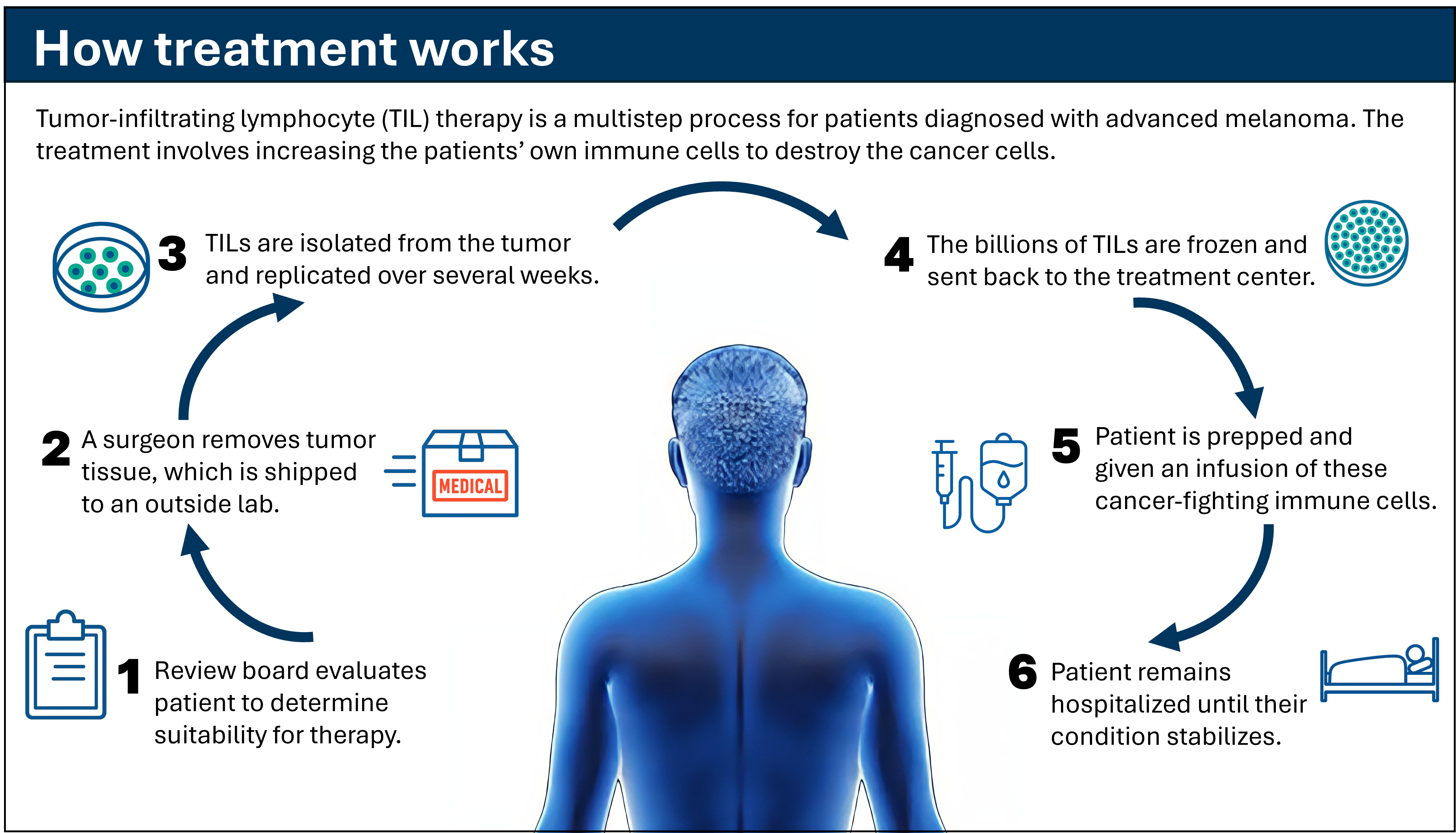
The FDA approved Tudriqev, a genetically modified viral therapy combined with nivolumab, for treating advanced cutaneous melanoma. This marks a significant advance in personalized cancer immunotherapy using engineered viruses.
FDA Green-Lights Innovative Cancer Therapy
Tudriqev (vusolimogene oderparepvec-wtpg) is a genetically modified oncolytic viral therapy for use in combination with nivolumab for the treatment of advanced cutaneous melanoma. The approval represents a milestone in oncolytic virus development, where the body's immune system is mobilized to destroy cancer cells through modified viral agents.
How It Works
Oncolytic viruses are engineered to selectively infect and kill cancer cells while leaving healthy tissue intact. Tudriqev combines this viral approach with nivolumab, a checkpoint inhibitor, to enhance the body's natural cancer-fighting defenses. By deploying both mechanisms—direct viral destruction and immune checkpoint blockade—the therapy addresses advanced melanoma through dual pathways.
Clinical Significance
Melanoma remains one of the deadliest skin cancers, with advanced cutaneous forms carrying poor prognosis without intervention. The approval of Tudriqev expands treatment options for patients with limited alternatives. This represents progress in the broader field of personalized cancer medicine, where therapies are increasingly tailored to the tumor's biology and the patient's immune status.
What Comes Next
Patients and oncologists now have access to this novel therapy through standard prescription channels. Real-world efficacy data will accumulate as more patients receive treatment. Researchers are likely exploring combinations of oncolytic viruses with other immunotherapies, potentially expanding the approach to other cancer types beyond melanoma.