Ebola Outbreak in Congo and Uganda Declared Global Health Emergency
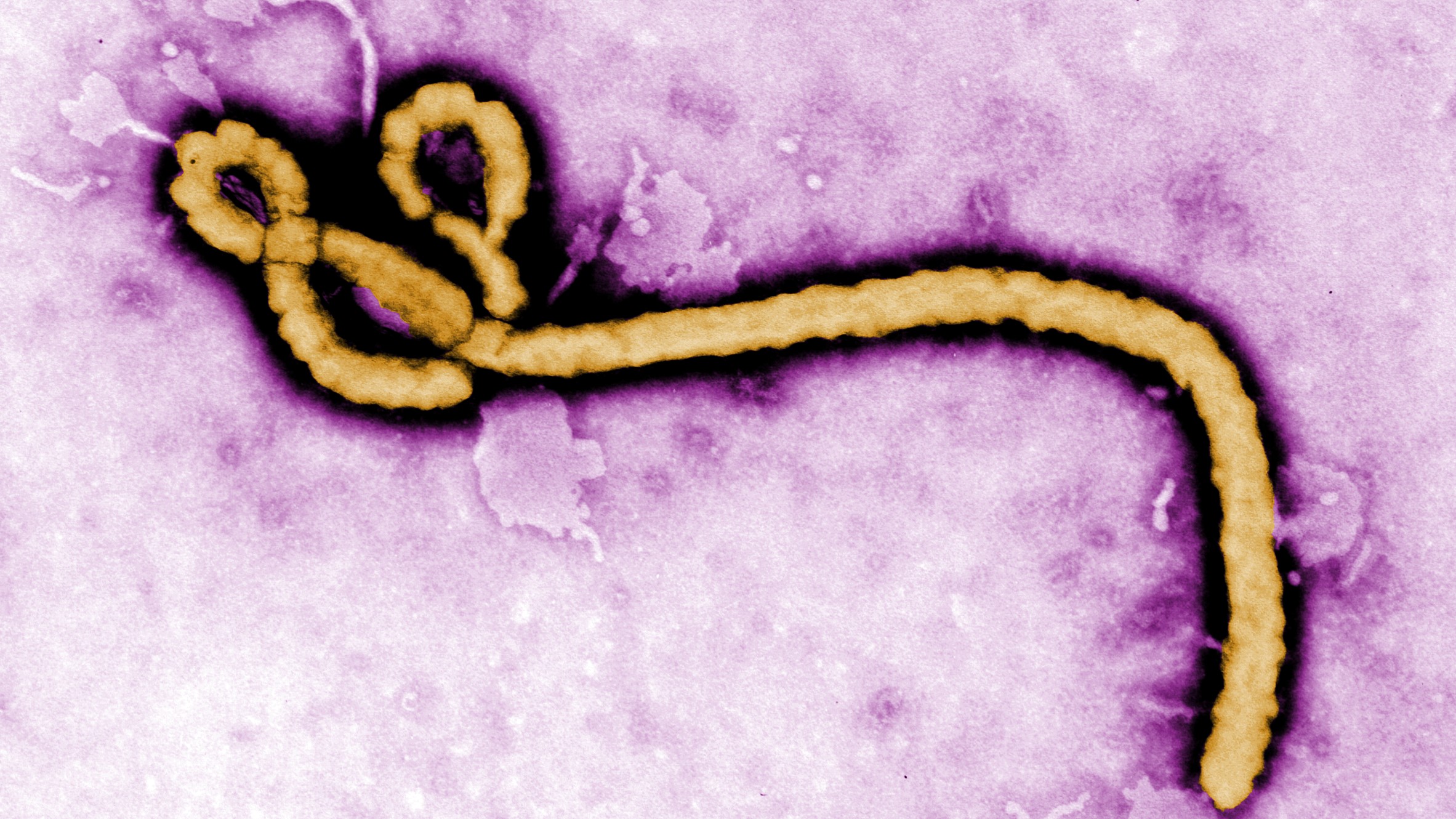
The World Health Organization has declared an outbreak of Ebola virus disease caused by the rare Bundibugyo virus in the Democratic Republic of Congo and Uganda a public health emergency of international concern, with nearly 1000 suspected cases and over 200 deaths reported.
Outbreak Declaration
On May 15, 2026, the Ministry of Health of the Democratic Republic of the Congo (DRC) confirmed an outbreak of Ebola disease in Ituri Province in northeastern DRC. As of May 16, 2026, a total of 246 suspected cases and 80 deaths have been reported. On May 17, the World Health Organization determined this outbreak to be a public health emergency of international concern.
Current Status and Scale
As of 23 May 2026, 968 suspected cases and at least 216 deaths had been reported. On 15 May 2026, the Ministry of Public Health, Hygiene and Social Welfare, Democratic Republic of the Congo (DRC), and the Ministry of Health of Uganda declared an outbreak of Ebola Disease following the confirmation of Bundibugyo virus disease (BVD) in both countries.
Unique Challenges
The Bundibugyo species of Ebola involved is one for which there is no vaccine or specific treatment, though work is ongoing to test promising candidates. The virus is estimated to have a fatality rate between 25% and 50%. In DRC, transmission is concentrated in Ituri, North Kivu and South Kivu provinces, with challenges in contact follow-up, insecure conditions, and inadequate isolation and referral systems complicating response efforts.
International Spread and Response
Imported cases from Ituri have been reported in the capital city of Kinshasa and its North Kivu Province, as well as in Uganda's capital city of Kampala. On May 18, 2026, CDC and DHS announced enhanced travel screening, entry restrictions, and public health measures to prevent Ebola virus disease from entering the United States amid ongoing outbreaks in East and Central Africa.