
Earth's Waters Rapidly Running Out of Oxygen, Scientists Warn
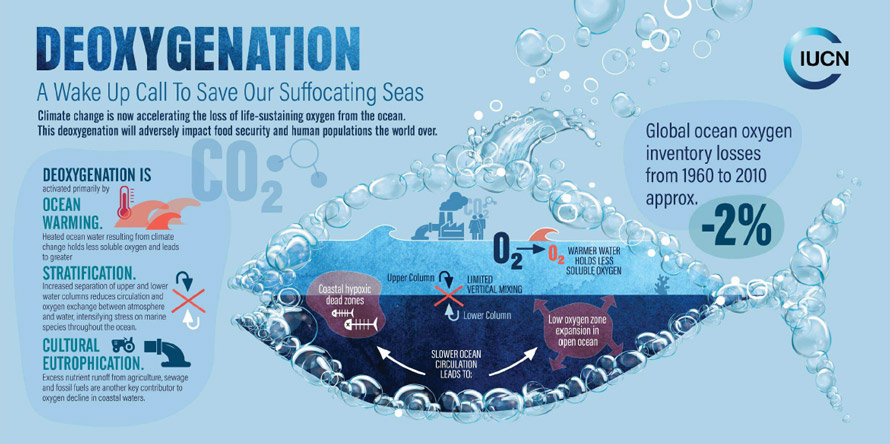
Scientists have discovered that oxygen is disappearing from oceans, lakes, rivers, and coastal waters at an alarming rate, threatening aquatic life and the natural processes that regulate Earth's climate.
A Widespread Deoxygenation Crisis
Oxygen is disappearing from oceans, lakes, rivers, and coastal waters at an alarming rate, threatening aquatic life and weakening the natural processes that help regulate Earth's climate. Scientists warn that this widespread deoxygenation is one of the most pressing environmental challenges facing our planet today. The problem is affecting not just isolated water bodies but interconnected aquatic systems worldwide, creating cascading ecological consequences.
Why This Matters
Low-oxygen conditions, known as hypoxia, create "dead zones" where most aquatic life cannot survive. Fish, crustaceans, and other organisms either flee these regions or perish, disrupting food chains and threatening fisheries that billions of people depend on for protein. Furthermore, the loss of oxygen-dependent biological processes in water—such as the decomposition of organic matter—weakens the natural systems that help regulate atmospheric composition and climate cycles.
Causes and Contributing Factors
The research indicates that multiple factors contribute to water deoxygenation. Climate warming itself reduces the amount of oxygen that water can dissolve, much like carbonated water goes flat faster when heated. Agricultural runoff and urban pollution introduce excess nutrients that fuel algal blooms; when these algae die and decompose, they consume oxygen in a process called eutrophication. Coastal dead zones are expanding in many parts of the world, particularly near river deltas and industrial regions.
Global Implications
The problem extends across all aquatic environments—oceans, freshwater lakes, and rivers. Scientists emphasize that addressing this crisis requires coordinated action on climate change, pollution reduction, and sustainable agriculture and fishing practices. Without intervention, the expansion of low-oxygen zones could fundamentally reshape aquatic ecosystems and the human economies that depend on them.