
Defense Secretary Hegseth Calls for NATO 3.0 Overhaul
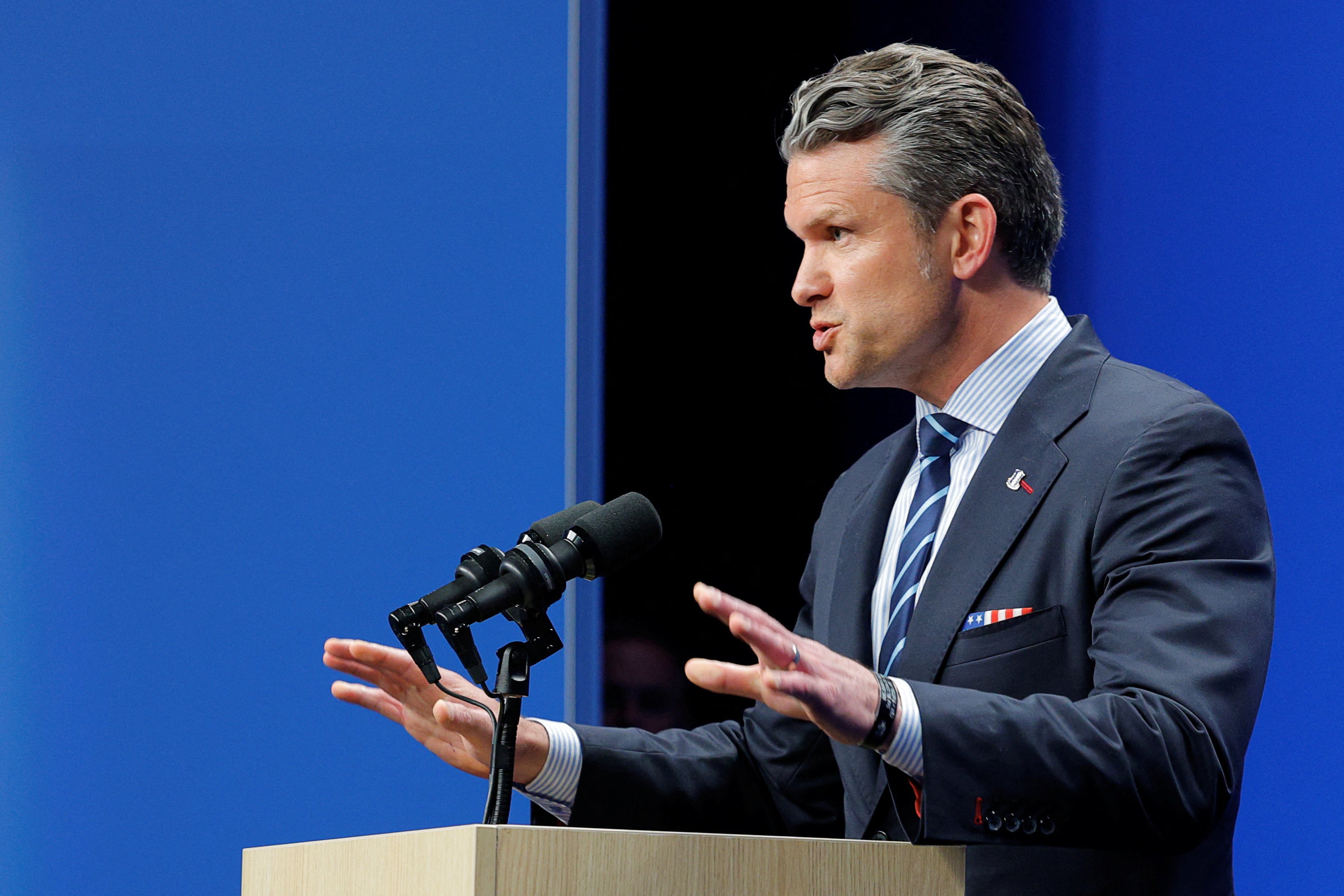
U.S. Defense Secretary Pete Hegseth announced on June 18 a comprehensive review of American forces in Europe and called for a fundamental restructuring of NATO into "NATO 3.0." The move signals a major shift in the Trump administration's approach to the transatlantic alliance.
Major Policy Shift
U.S. Defense Secretary Pete Hegseth lashed out at NATO allies on Thursday, announcing a review of American forces in Europe, and calling for a reboot of the organization to turn it into a "NATO 3.0." The announcement marks a significant departure from traditional NATO doctrine and reflects the Trump administration's reassessment of U.S. defense commitments in Europe.
Context and Concerns
Hegseth's call for NATO 3.0 suggests the administration views the current alliance structure as outdated and in need of fundamental reform. The review of American military presence in Europe indicates potential changes to force posture, deployment strategies, and burden-sharing arrangements among member nations. This reflects broader Trump administration themes of reassessing U.S. commitments and ensuring allies meet defense spending targets.
Alliance Implications
The NATO 3.0 proposal comes amid ongoing tensions between the U.S. and European allies over defense spending, the Ukraine conflict, and broader strategic priorities. A restructured NATO could involve changes to command structures, operational procedures, funding mechanisms, and collective defense protocols. European leaders will likely scrutinize these proposals closely, as NATO restructuring could affect security arrangements across the continent.
Defense Spending and Burden-Sharing
The Trump administration has consistently emphasized that NATO members must increase defense spending and take greater responsibility for European security. Hegseth's announcement suggests this theme will remain central to U.S. policy under the new administration framework.