
China's Tianwen-1 Captures First Images of Interstellar Comet 3I/ATLAS Near Mars
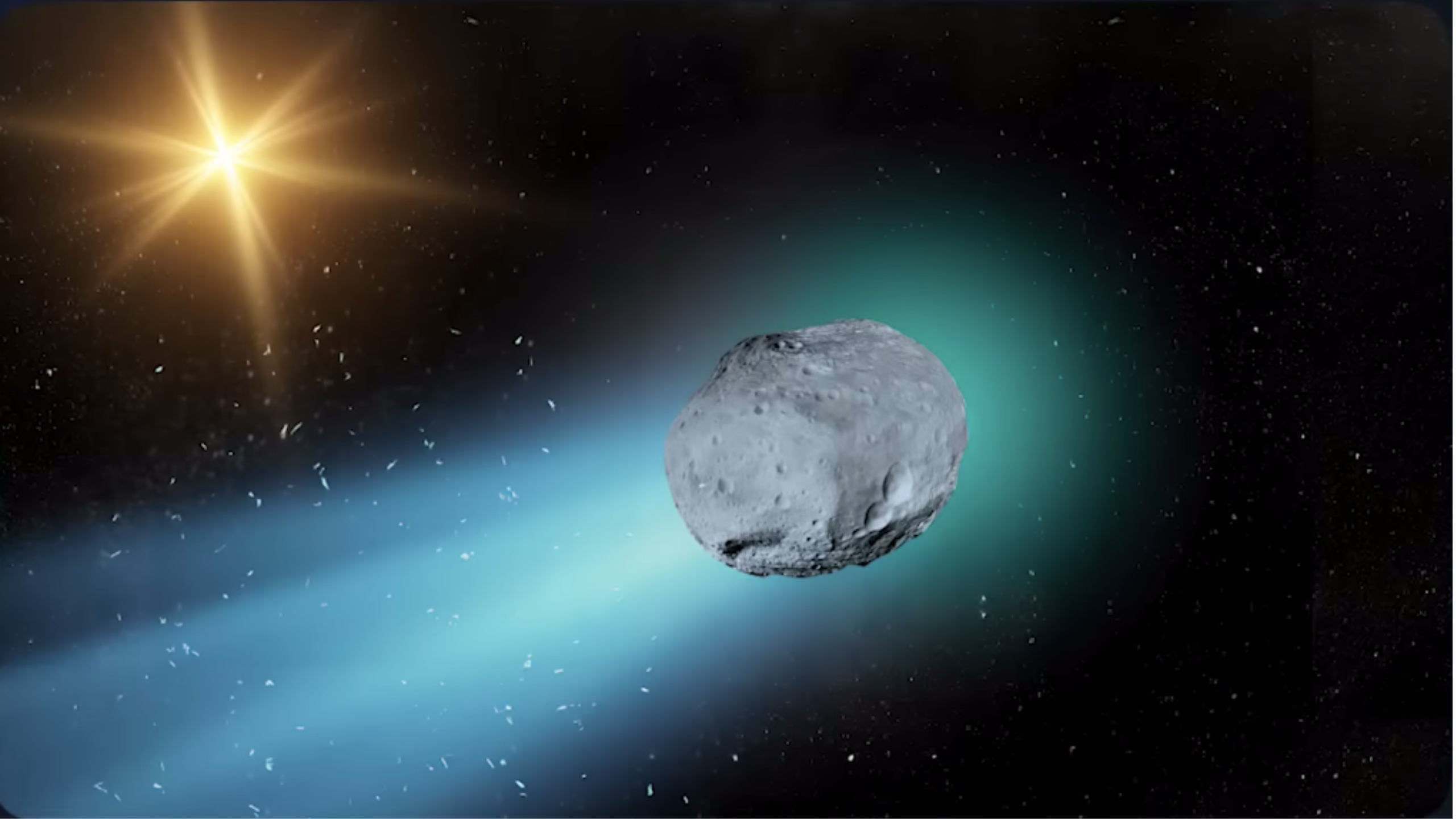
China's Tianwen-1 orbiter has photographed the rare interstellar comet 3I/ATLAS as it raced past Mars, capturing images of its tail and glowing coma. This marks a unique opportunity to study material from beyond our solar system.
Historic Observation
China's Tianwen-1 orbiter captured a faint but remarkable view of 3I/ATLAS as the interstellar comet raced past Mars. The images reveal its tail and glowing coma, offering scientists a glimpse of material born beyond our solar system. This represents a rare opportunity for planetary science, as interstellar visitors pass through our solar system only occasionally.
Scientific Significance
Interstellar comets provide unique windows into the composition and formation of material from other star systems. The 3I/ATLAS comet, which originates from outside our solar system, offers invaluable data about the chemical and physical properties of objects that formed around distant stars. By capturing detailed images as the comet approached Mars, the Tianwen-1 mission contributed to the growing body of knowledge about these elusive visitors.
Tianwen-1's Role
The Tianwen-1 orbiter has been conducting orbital science operations around Mars since 2021, following China's successful deployment of the Zhurong rover on the Martian surface. This latest observation demonstrates the continued scientific productivity of the mission, which has already contributed significantly to Mars research through detailed surface imaging and atmospheric studies.
Broader Context
The observation of interstellar comets represents a frontier in astronomical research, with only a handful of such objects having been detected and studied in recent years. The Tianwen-1 images add valuable data to ongoing efforts to characterize these rare visitors and better understand the diversity of objects that inhabit our galaxy.