
China and US Agree to $30 Billion Tariff Cut During Xi's Washington Visit
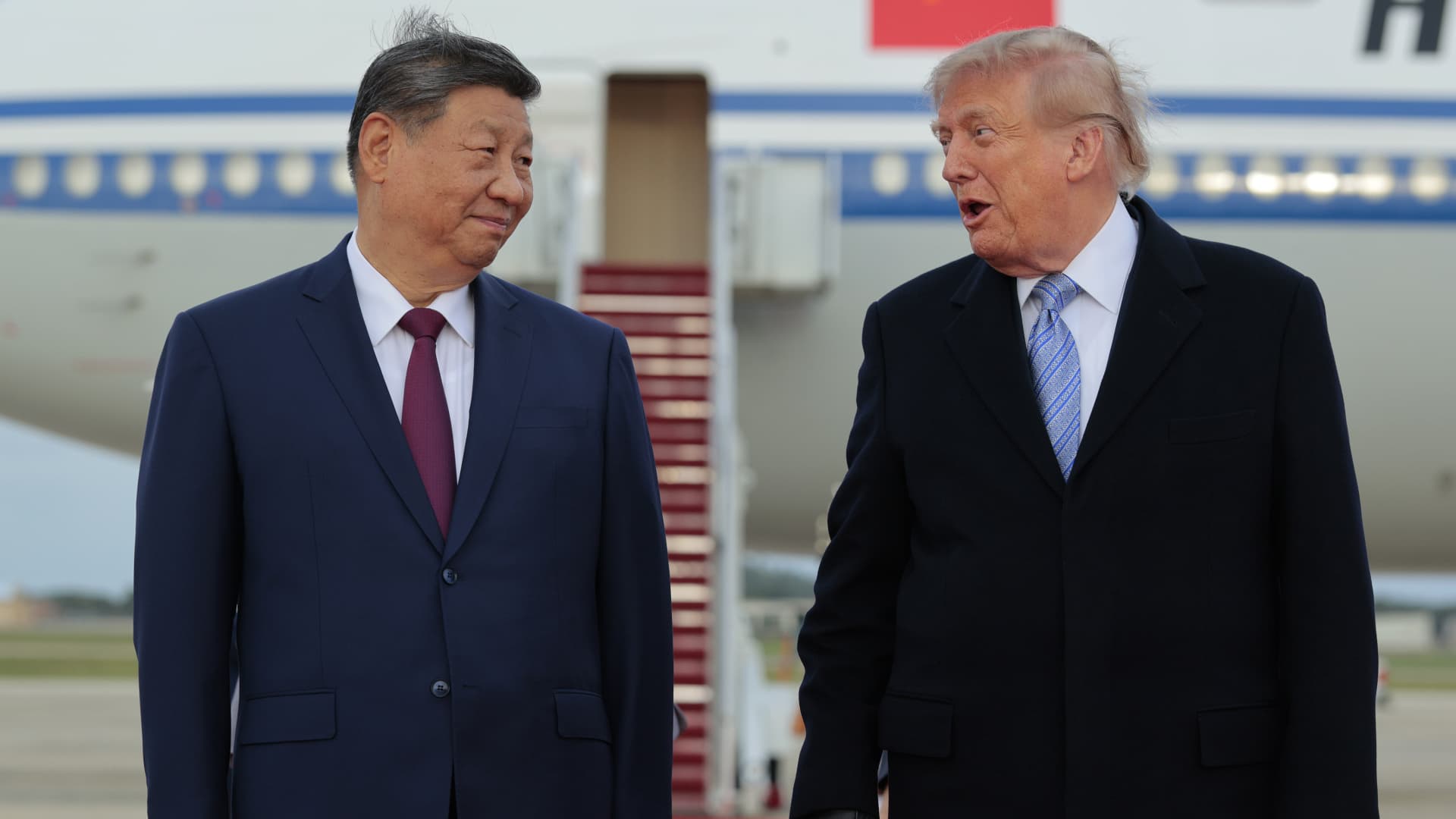
During President Xi Jinping's state visit to Washington, China and the United States have reached a major trade agreement including a $30 billion reciprocal tariff reduction and a new AI dialogue framework, marking significant progress in easing trade tensions between the world's two largest economies.
Historic Trade Deal Announced
China announced on Saturday that it had agreed with the U.S. on a $30 billion reciprocal tariff-reduction arrangement and on launching a dialogue on AI, under an eight-point consensus reached during President Xi Jinping's visit to Washington.
Key Agreements
The two sides have also agreed to set up a trade council and extend the outcomes of earlier talks in Kuala Lumpur. The Trump administration announced that the two countries have agreed to extend an 11-month trade deal that offered temporary relief from punishing tariffs. The Busan Agreement, which was set to expire on November 10, has now been extended to January 10.
Context of the Visit
President Donald Trump welcomed his Chinese counterpart Xi Jinping to Washington, DC, for a three-day visit and high-stakes talks on trade, Taiwan and artificial intelligence. Trump personally met Xi on his arrival at Joint Base Andrews, marking the first time in 11 years that a US president has greeted a foreign leader at the base, with the leaders and their wives shaking hands as a military band played, cannons blasted and a B-1 military bomber flew overhead.
Broader Implications
The two countries agreed that they would start talking about AI and potentially reach an agreement to notify each other of when serious incidents occur. The two sides agreed that they would operationalize the Board of Trade, which means that they would start working on trade issues — identifying $30 billion of goods on both sides, in which they could bring down to either standard normal tariff levels or potentially zero tariffs. The agreement represents a significant diplomatic achievement in managing U.S.-China relations, which have been strained by trade wars and technological competition over the past year.