
CEO Confidence Plummets as US Economy Stumbles into 2026
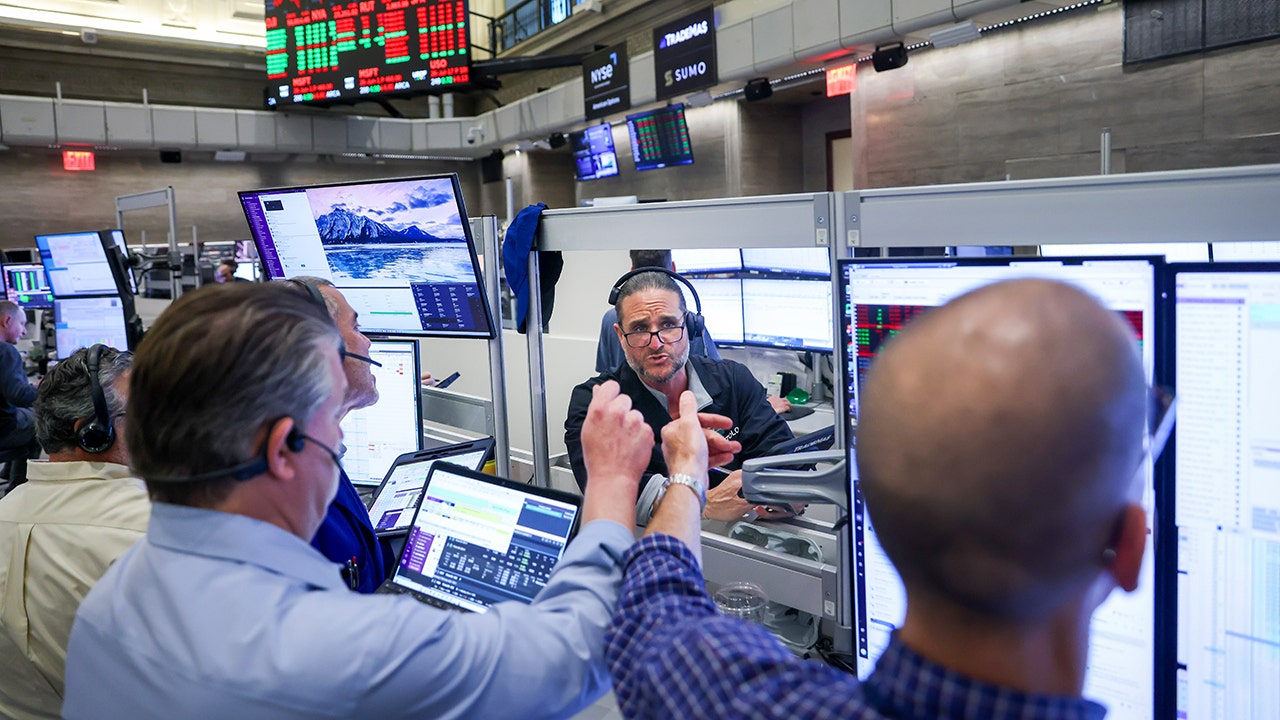
CEO confidence collapsed in Q2 2026, with 47% of corporate leaders reporting the economy is materially worse than six months ago. Corporate hiring plans have stalled and layoffs are rising as executives brace for continued economic weakness.
What Happened
The Conference Board Measure of CEO Confidence fell to 47 in Q2 from 59 in Q1, marking a stunning reversal in executive sentiment. "CEO confidence fell back into negative territory in Q2 2026, reversing the surge in optimism in the first quarter," Conference Board Chief Economist Dana M Peterson said, noting that "CEOs reported that the economy is materially worse now than it was six months ago and expected economic conditions to weaken further over the next six months."
With any reading below 50 indicating negative outlooks, only 15% of CEOs say the economy is better than six months ago, down from 39% in Q1, while 47% say it's worse, up from 8%.
Corporate Hiring Freezes and Rising Risks
40% of respondents expect economic conditions to worsen over the next six months, and the share of CEOs planning to increase the size of their workforce over the next 12 months edged down, while those expecting job cuts rose slightly. Among top business risks impacting their industries, CEOs became more worried about cyber risks, with nearly two-thirds ranking it a top risk in Q2, while geopolitical and AI & new technology risks remained top concerns and risks associated with supply chains and energy rose in importance and intensity.
Economic Backdrop
The Bureau of Economic Analysis released its final reading of fourth-quarter GDP less than one month ago, which showed the economy grew at an annualized rate of 0.5% in the three-month period covering October, November and December. The shift from Q1 optimism—when the economy appeared to be gaining traction—to Q2 pessimism reflects mounting concern about persistent inflation, energy market disruptions, and labor market softness.
What to Watch
Executives' pullback on hiring signals potential weakness ahead. If the labor market deteriorates in coming months, it could trigger a broader economic slowdown and force the Federal Reserve to reconsider its interest rate strategy. The next critical data point arrives Friday with the May jobs report.