
Astronomers Witness the Birth of a Magnetar for the First Time
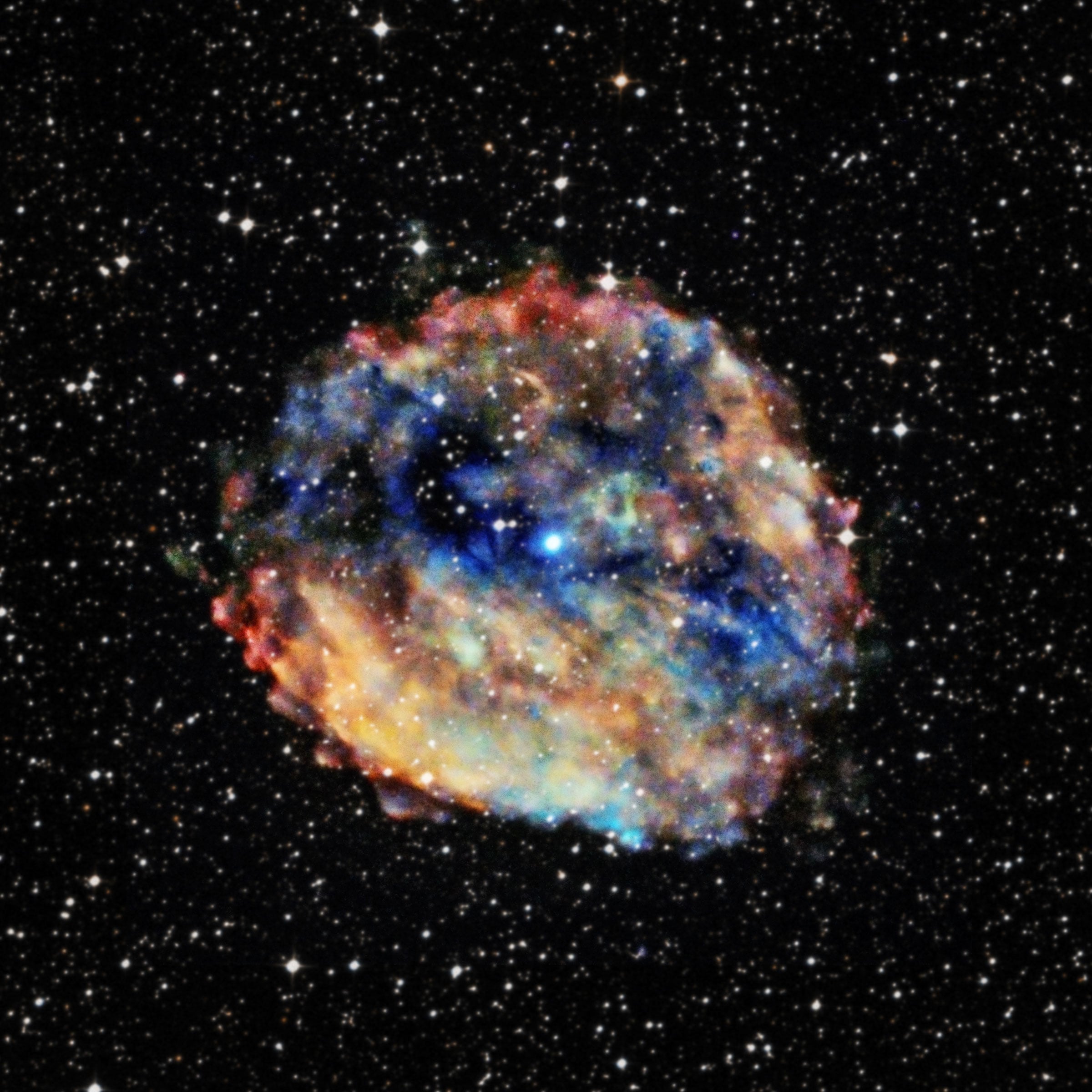
A strange chirping signal from a distant supernova has revealed the first-ever observation of a magnetar being born, confirming that these incredibly magnetic neutron stars can power the universe's brightest stellar explosions.
A Cosmic Milestone
Astronomers have witnessed the birth of a magnetar for the first time, marking a significant breakthrough in understanding these exotic objects. A strange "chirping" signal from a distant supernova has revealed the birth of a magnetar, confirming that these incredibly magnetic neutron stars can power the universe's brightest stellar explosions.
What Are Magnetars?
Magnetars are among the most extreme objects in the cosmos—neutron stars with magnetic fields billions of times stronger than Earth's. These stellar remnants, formed when massive stars explode as supernovae, have long fascinated astrophysicists. However, direct observation of their formation has remained elusive until now, making this discovery a landmark achievement in observational astronomy.
The Detection Method
The research team identified the newborn magnetar through gravitational wave and electromagnetic data analysis. The distinctive "chirping" pattern in the signal provided telltale evidence of a magnetar's formation within the supernova remnant. This multi-messenger approach—combining gravitational wave data with traditional electromagnetic observations—allowed scientists to detect and characterize the object immediately after its birth.
Implications for Astrophysics
This observation confirms theoretical predictions about how magnetars form and validates models linking magnetars to the most energetic supernovae. Understanding magnetar formation has profound implications for studying neutron star physics, extreme magnetic fields, and the evolution of massive stars. Future observations of similar events could reveal more about the properties of these mysterious objects and their role in the universe's most violent explosions.