
Ancient DNA Preserved on Cave Walls Reveals Past Human Occupation
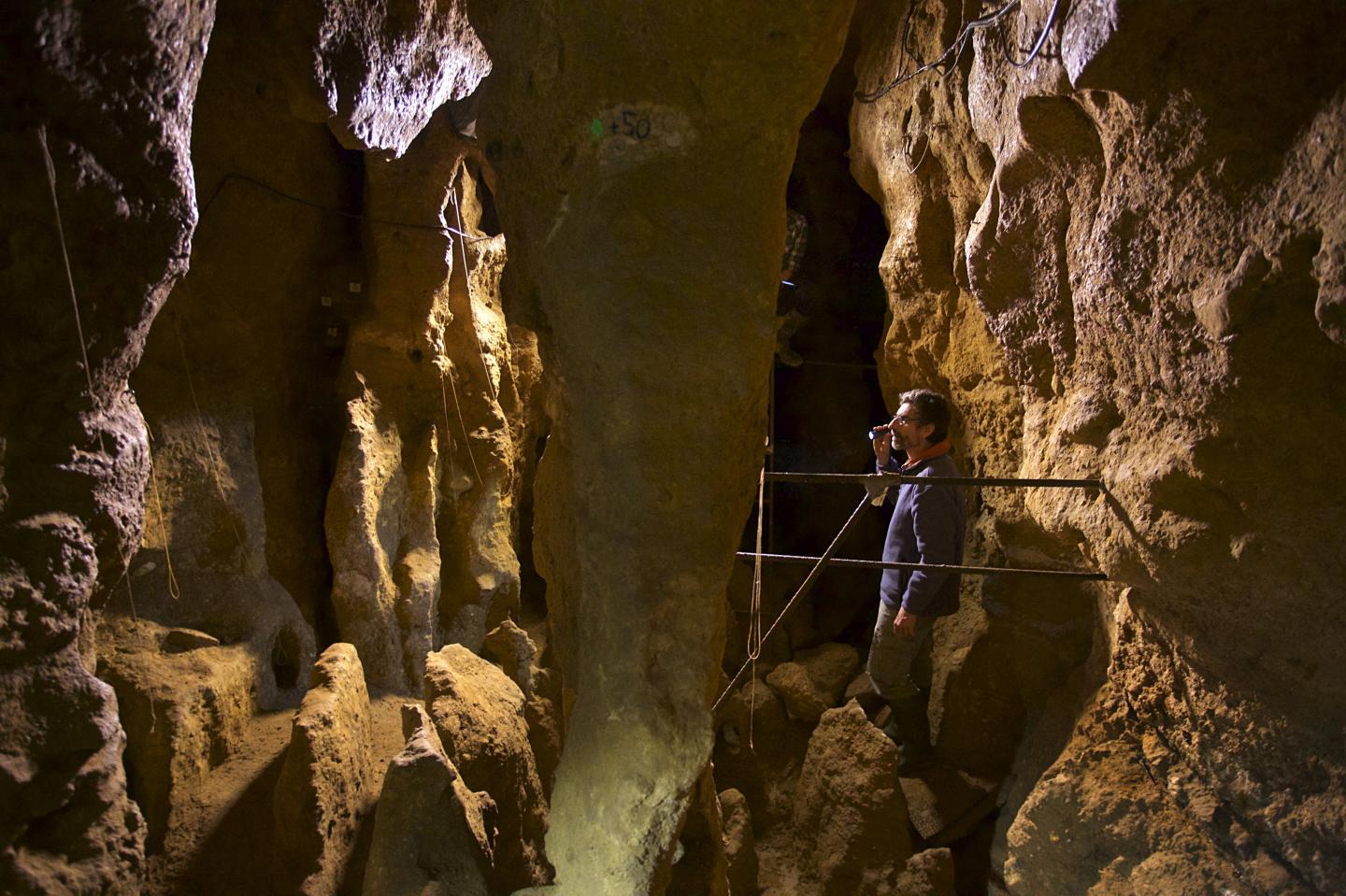
Scientists have recovered ancient human DNA from cave walls for the first time, offering a new non-invasive method to study past human populations and their presence in archaeological sites.
Novel DNA Recovery Method
For The First Time, Ancient Human DNA Has Been Found Preserved on Cave Walls, marking a breakthrough in archaeological science. This discovery provides researchers with a new, non-invasive approach to studying human occupation of archaeological sites without disturbing skeletal remains or artifacts.
Scientific Significance
The preservation of DNA on cave walls suggests that human biological material—such as skin cells, sweat, and saliva—can persist in certain environmental conditions for thousands of years. This finding expands the toolkit available to archaeologists and geneticists for understanding past human populations, their movements, and their interactions with specific environments.
Advantages Over Traditional Methods
Traditional methods of obtaining ancient DNA typically require excavation and analysis of skeletal remains, which can be destructive and raises ethical concerns. The ability to extract genetic information from cave surfaces offers a less invasive alternative that can complement existing archaeological techniques. Researchers can now investigate human presence and activity patterns in caves without requiring bone samples.
Future Applications
This breakthrough opens new possibilities for paleogenomics research. Archaeologists can use this method to identify which human populations inhabited specific caves, trace migration patterns, and study how different groups occupied the same spaces over time. The technique could be applied to cave sites worldwide, potentially revolutionizing our understanding of human prehistory and settlement patterns across different geographic regions.