WHO Approves Historic Global Strategy for Emergency and Critical Care
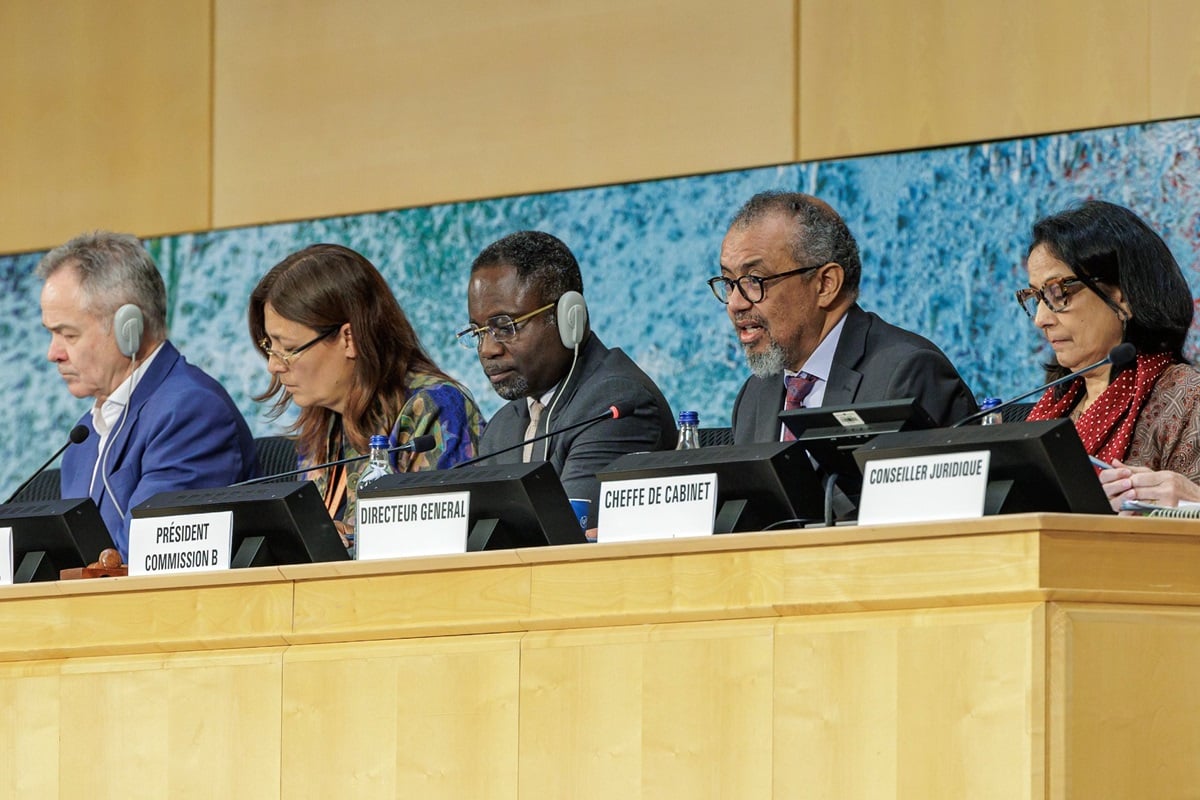
The World Health Assembly approved a groundbreaking Global Strategy for Integrated Emergency, Critical and Operative Care (2026–2035) to strengthen health systems worldwide. The strategy addresses the top causes of death and disability affecting 38 million lives annually.
Global Health Strategy Approved
The Assembly approved a groundbreaking new Global Strategy for Integrated Emergency, Critical and Operative (ECO) Care 2026–2035, which provides a roadmap to countries to strengthen health systems and deliver more timely, affordable, and quality ECO services across all levels of care at scale.
Scale of the Health Crisis
Conditions addressable by ECO span all major health areas, encompass the top global causes of death and disability, and account for an estimated 38 million deaths and 1.3 billion disability adjusted life years annually. The strategy is designed to address these staggering figures through comprehensive system strengthening.
Historic Stroke Resolution
The World Health Assembly took another major step in global health policy on May 22, 2026. Delegates approved the first-ever World Health Assembly resolution on stroke, titled "Reducing the burden of stroke: strengthening prevention, acute care, rehabilitation and health-system readiness". The resolution was proposed by Egypt and jointly co-sponsored by Chile, Georgia, Palestine, Paraguay and Tunisia, reflecting broad representation across WHO regions.
Focus on Diagnostic Imaging Access
In complementary action, Member States endorsed a resolution to scale up efforts to strengthen equitable access to essential diagnostic imaging through teleradiology. Many communities – particularly those in remote or underserved areas – continue to face significant gaps in access to radiology services due to shortages of trained imaging professionals and limited infrastructure.
The initiatives announced at the 79th World Health Assembly signal a coordinated global effort to modernize emergency care infrastructure, improve stroke outcomes, and extend diagnostic capabilities to underserved populations worldwide.