WHO Approves First-Ever Global Stroke Resolution as Assembly Bolsters Health Emergency Response
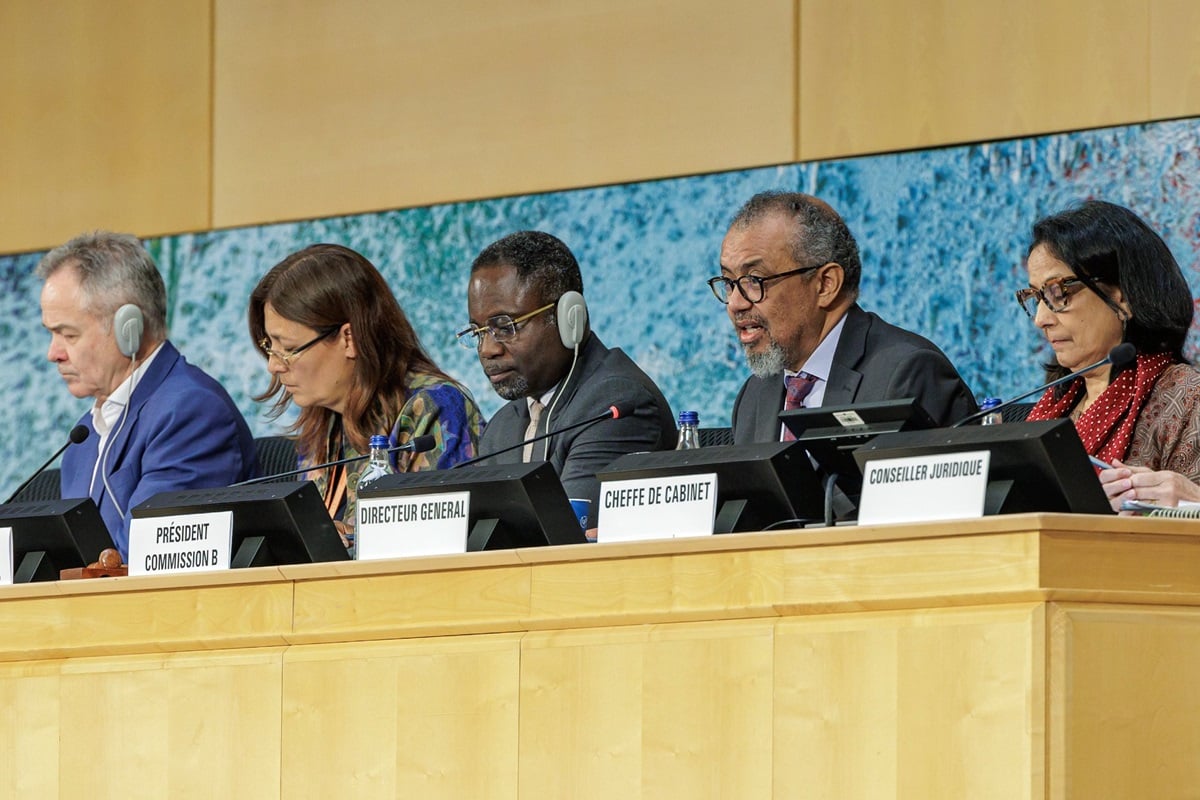
The World Health Assembly approved the first-ever resolution on stroke prevention and care on May 22, while also endorsing a new emergency care strategy aimed at addressing 38 million annual deaths from treatable conditions.
Historic Stroke Resolution Approved
On May 22, 2026, delegates at the World Health Assembly approved the first-ever World Health Assembly resolution on stroke, titled "Reducing the burden of stroke: strengthening prevention, acute care, rehabilitation and health-system readiness." Proposed by Egypt and jointly co-sponsored by Chile, Georgia, Palestine, Paraguay and Tunisia, the resolution reflects broad representation across WHO regions.
This landmark action marks a significant shift in global health policy, elevating stroke to the international stage as a priority disease despite its status as a leading cause of disability and mortality worldwide. The resolution framework encompasses prevention strategies, acute care protocols, rehabilitation services, and health-system preparedness.
New Global Emergency Care Strategy
The Assembly approved a groundbreaking new Global Strategy for Integrated Emergency, Critical and Operative (ECO) Care 2026–2035, which provides a roadmap to countries to strengthen health systems and deliver more timely, affordable, and quality ECO services across all levels of care at scale. Conditions addressable by ECO span all major health areas, encompass the top global causes of death and disability, and account for an estimated 38 million deaths and 1.3 billion disability adjusted life years annually.
Effective, integrated ECO services are essential to mitigate the impact of increasing public health risks, including outbreaks, conflicts, disasters and climate-related events. However, many countries face persistent challenges, including health worker shortages, insufficient support systems, limited skills and equipment; and gaps in service design and delivery that lead to delayed recognition of illness and disrupted continuity of care.
Teleradiology Initiative
Member States endorsed a resolution to scale up efforts to strengthen equitable access to essential diagnostic imaging through teleradiology. Imaging is an essential component of health care for the timely detection, diagnosis, monitoring and management of communicable and noncommunicable diseases, trauma and other medical conditions, as well as for maternal and child health care. However, many communities – particularly those in remote or underserved areas – continue to face significant gaps in access to radiology services due to shortages of trained imaging professionals and limited infrastructure.
Global Health Architecture Reform
The World Health Assembly decided to establish a joint process led by Member States, hosted by WHO and with global health partners to support reforms of the global health architecture. The Assembly agreed that the process should develop options and recommendations for reforms of the global health architecture to meet the specific and collective needs of countries and communities, to maximize access, impact and equity.