CDC Implements Enhanced Travel Screening as Ebola Outbreak Declared Public Health Emergency
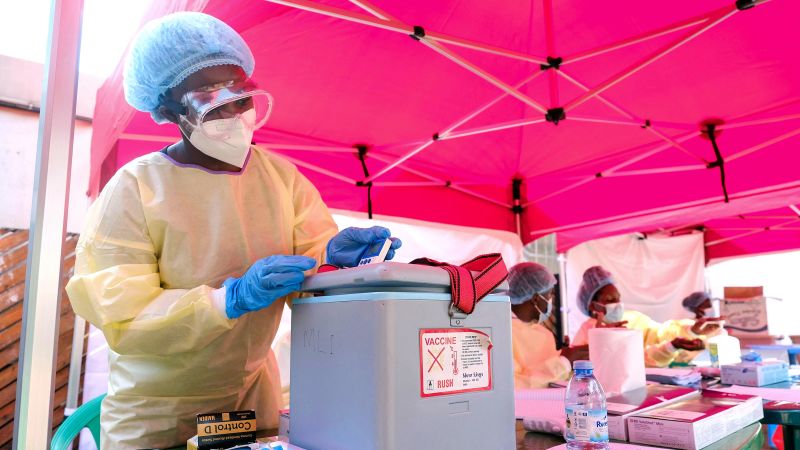
The WHO declared an Ebola Bundibugyo outbreak in the Democratic Republic of Congo and Uganda a public health emergency of international concern on May 17, 2026. The CDC has now implemented enhanced travel screening and entry restrictions on May 18 to prevent the virus from entering the United States, though no cases have been confirmed domestically.
Global Health Emergency Declared
The WHO determined that Ebola disease caused by Bundibugyo virus in the Democratic Republic of the Congo and Uganda constitutes a public health emergency of international concern (PHEIC), but does not meet the criteria of pandemic emergency.
Outbreak Scale
As of May 16, 2026, eight laboratory-confirmed cases, 246 suspected cases and 80 suspected deaths have been reported in Ituri Province of the Democratic Republic of the Congo. Two laboratory confirmed cases (including one death) have been reported in Kampala, Uganda on May 15 and 16, 2026, among individuals traveling from the Democratic Republic of the Congo.
U.S. Response
On May 18, 2026, CDC and DHS implemented enhanced travel screening, entry restrictions, and public health measures to prevent Ebola virus disease from entering the United States amid ongoing outbreaks in East and Central Africa. The overall risk to the American public and travelers remains low, and to date, no cases of Ebola disease have been confirmed in the United States because of this outbreak.
Critical Challenge
Unlike for Ebola-zaire strains, there are currently no approved Bundibugyo virus-specific therapeutics or vaccines.