
US and Iran Exchange Military Strikes as Ceasefire Continues to Fray
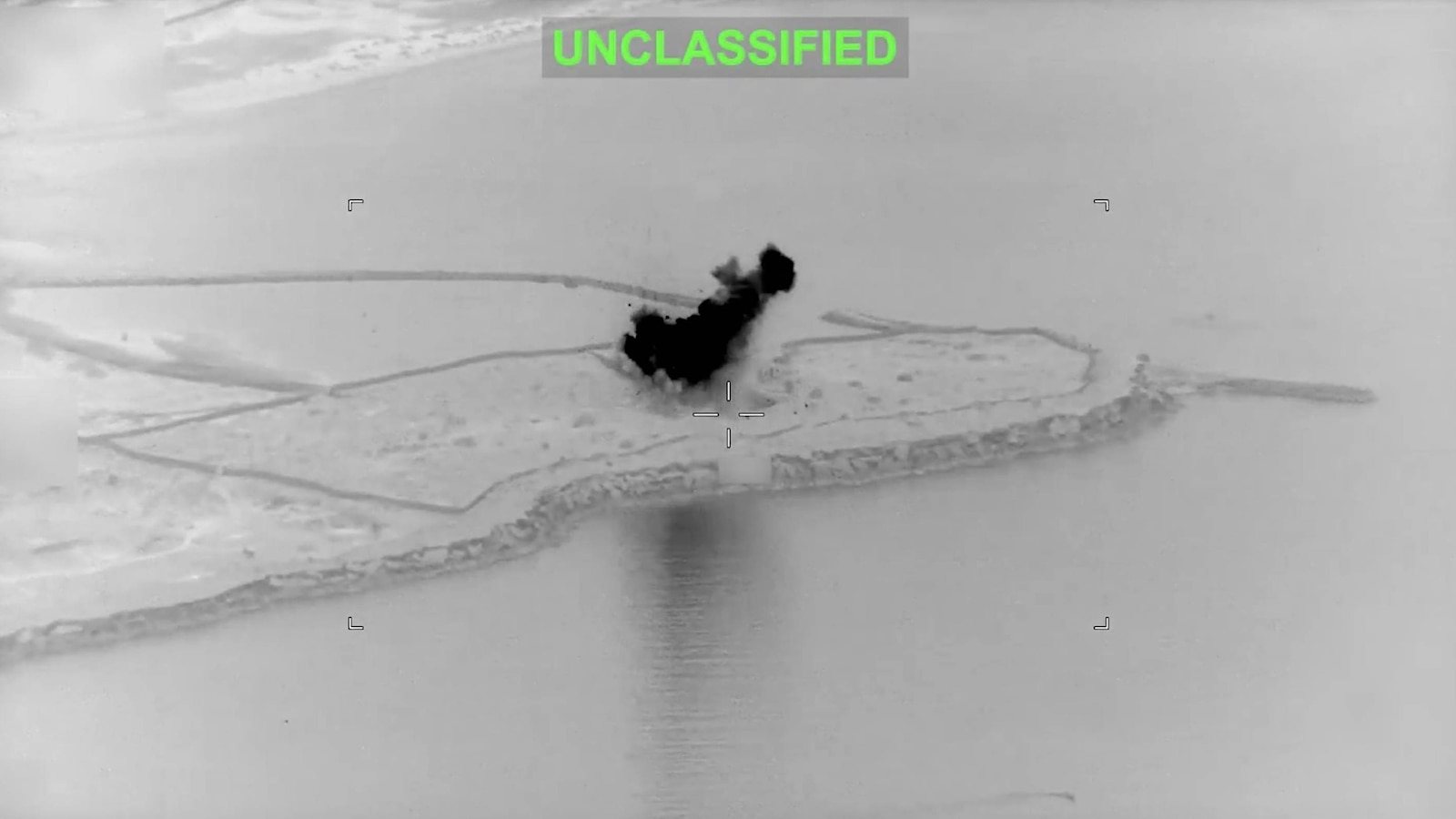
The US military shot down Iranian drones threatening the Strait of Hormuz and struck Iranian radar sites, while Iran condemned the attacks as violations of the April ceasefire, escalating tensions as Trump administration seeks to pressure Iran toward negotiations.
Military Escalation in the Strait
The US military struck "coastal surveillance radar sites" in Iran after shooting down four Iranian one-way attack drones, with strikes targeting Iranian coastal surveillance radar sites in Goruk and on Qeshm Island. The Treasury Department is planning to use Iranian assets to rebuild and repair any future damage caused by Iran, with Treasury planning to utilize Iranian frozen assets and seized ships to support Gulf allies.
Iranian Response and Ceasefire Violations
Iran "strongly" condemned US attacks against radar and coastal surveillance facilities in the Sirik area and Qeshm Island, calling it a "clear violation of the April 8 ceasefire". Iran said the surveillance targeted by the US "protects the security of the country's borders and the safety of navigation in international waterways".
Trump's War Timeline and Negotiations
US President Donald Trump said that he's "moving very fast" with the Iran war, telling NBC News "I'm into three months" despite his initial stated timeline of four to six weeks. Trump announced "major combat operations" against Iran on February 28, with initial US-Iran talks in Pakistan in April failing to reach a peace deal, followed by an extension of the ceasefire and continuation of a US blockade until negotiations conclude.
Regional Impact and Economic Pressure
With ship traffic through the Strait of Hormuz at a virtual standstill due to the war in Iran, companies are scrambling to find new and alternative ways to move everything from oil to fertilizer to household goods. The average price of gas fell 17 cents since its peak earlier this month, but it's still 47% higher than it was at the start of the Iran war.