
University of Chicago Team Discovers Simple Way to Create Powerful Quantum States
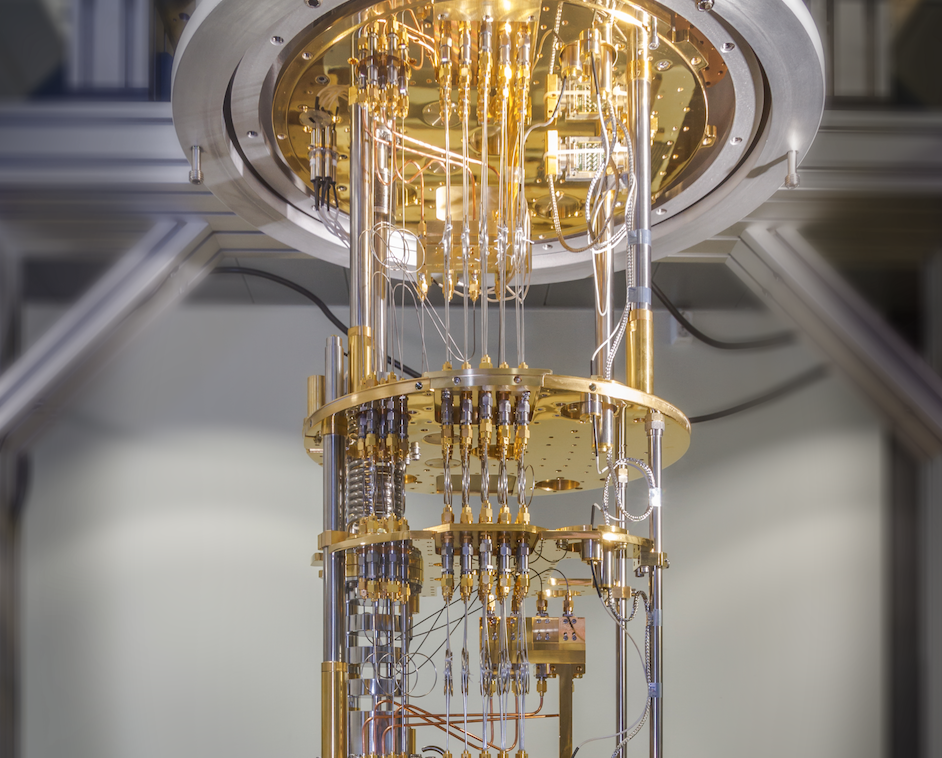
Researchers at the University of Chicago have found a surprisingly simple method to generate powerful quantum states that are normally difficult to produce, achieved through small adjustments to energy levels in quantum systems.
Breakthrough in Quantum Engineering
A team at the University of Chicago has discovered a surprisingly simple way to create powerful quantum states that are normally difficult to produce. By making small adjustments to the energy levels, researchers demonstrated a more accessible approach to generating quantum states that have practical applications in quantum computing and sensing technologies.
The Challenge
Creating specific quantum states has traditionally required complex, carefully calibrated experimental setups. These quantum states are essential for quantum computing, where they serve as the fundamental units of information processing, and for quantum sensing applications that demand unprecedented measurement precision. The difficulty in generating these states has been a major bottleneck in advancing quantum technologies, limiting their practical implementation and scalability.
The Elegant Solution
By fine-tuning energy levels within the quantum system, the Chicago team unlocked a remarkably straightforward pathway to generate powerful quantum states. This discovery suggests that quantum engineering may not require as much complexity as previously believed. The simplicity of their approach could dramatically reduce the barriers to entry for quantum technology development, potentially allowing more laboratories and companies to advance quantum research without requiring enormous experimental infrastructure investments.
Applications and Future Impact
This development has significant implications for quantum computing hardware development and next-generation sensors for precision measurement. Easier generation of quantum states could accelerate the timeline for practical quantum advantage in real-world applications. The research also opens theoretical questions about fundamental quantum mechanics that scientists can now explore using more accessible experimental techniques. As quantum technologies continue gaining momentum in industry and government, simplified methods for state creation will be crucial to scaling up quantum systems from laboratory prototypes to deployable platforms.