
Sleep Apnea's Hidden Heart Disease Trigger Found in the Gut
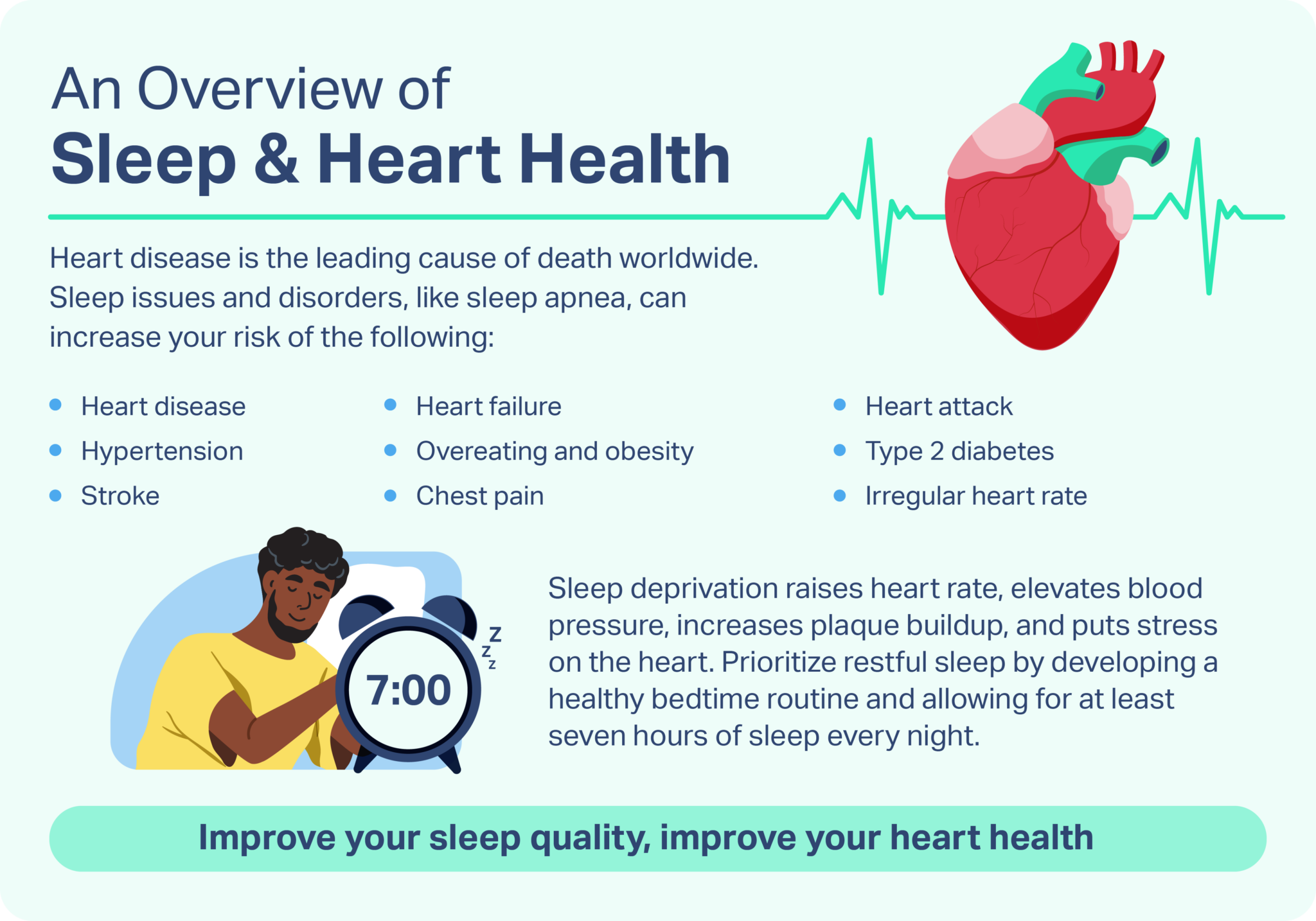
New research in mice reveals a gut-heart connection that explains why sleep apnea increases cardiovascular disease risk. A bile acid receptor called FXR may be key to preventing heart complications.
The Gut-Heart Mystery Solved
A surprising gut-heart connection may help explain why sleep apnea increases the risk of cardiovascular disease. In mice, disabling a bile acid receptor called FXR sharply reduced plaque buildup, opening the door to potential new treatments. This breakthrough addresses a long-standing clinical puzzle: why do sleep apnea patients face such elevated cardiovascular risks?
Mechanism of Action
The research identifies FXR, a bile acid receptor in the gut, as a critical molecular checkpoint. When FXR function is disrupted, researchers observed dramatic reductions in arterial plaque formation—the hallmark pathology of atherosclerosis. This suggests that sleep apnea may damage cardiovascular health through mechanisms involving gut signaling pathways rather than simply through oxygen deprivation.
Therapeutic Implications
The discovery opens new avenues for treatment development. Rather than targeting the lungs or airways exclusively, clinicians may eventually develop therapies that modulate FXR activity to protect the heart in sleep apnea patients. This represents a paradigm shift from symptomatic management toward preventive intervention at the molecular level.
Clinical Significance
Sleep apnea affects millions of adults worldwide and carries substantial cardiovascular morbidity and mortality risk. Identifying the FXR pathway provides researchers with a concrete molecular target for drug development and may explain why aggressive sleep apnea treatment sometimes fails to fully reverse heart disease progression in affected patients.