
Scientists Warn of Dangerous Free-Living Amoebae as Underappreciated Public Health Threat
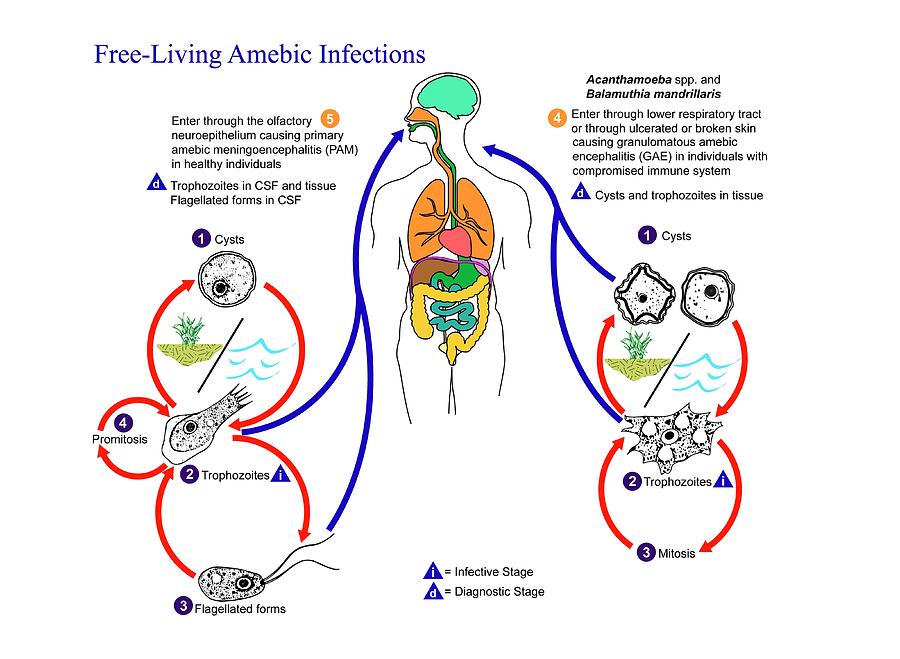
Researchers have raised alarms about free-living amoebae spreading globally as a significant public health risk. These microorganisms can cause deadly infections in humans and may also shield other dangerous bacteria from water treatment, creating a double threat to public safety.
Emerging Microbial Threat Identified
Scientists warn that free-living amoebae may be an underappreciated public health threat, capable of causing deadly infections and shielding other dangerous microbes from water treatment. This warning represents a critical shift in understanding how pathogenic organisms interact with water systems and human health.
How Amoebae Pose Double Risk
Free-living amoebae present a unique challenge to public health infrastructure. Beyond their direct ability to cause fatal infections, these organisms create protective barriers around themselves that can shield other dangerous pathogens from water treatment chemicals and processes. This means contaminated water supplies containing amoebae may harbor additional harmful microbes that survive standard purification efforts.
Global Spread Concerns
The global expansion of free-living amoebae populations is being tracked by scientific communities worldwide. Climate change and changing water conditions may be creating more favorable environments for these organisms to thrive. Warmer water temperatures, particularly in swimming areas and water systems, have been associated with increased amoeba populations.
Implications for Water Safety
Water treatment facilities are now re-evaluating their protocols to ensure adequate removal of free-living amoebae. The challenge lies in developing cost-effective methods that can eliminate these resilient organisms while maintaining safe drinking water standards. Public health officials are working to increase awareness about the risks associated with untreated water sources and proper water handling practices.