
Scientists Uncover Key Brain Signal That Helps Break Old Habits and Adapt to Change
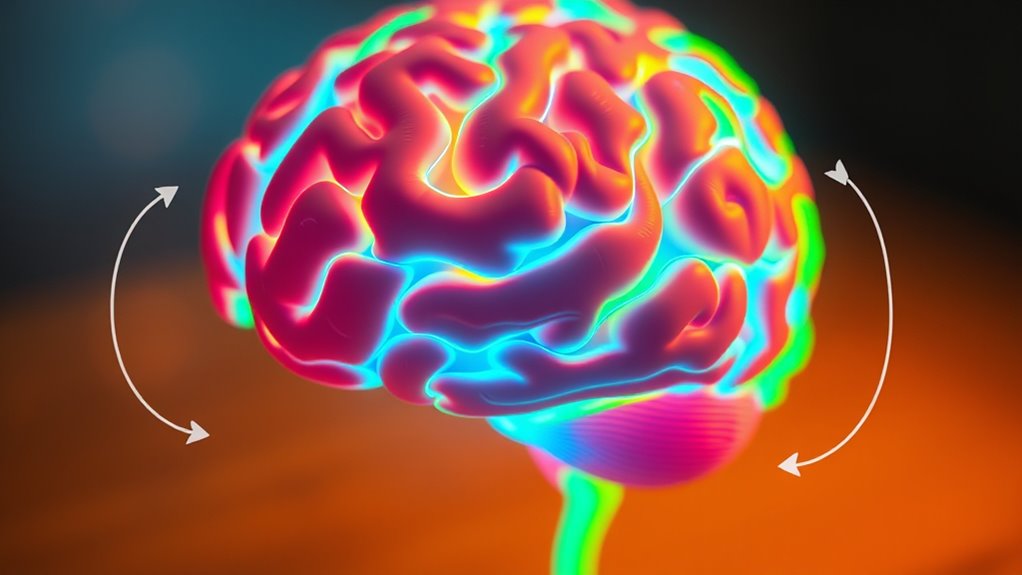
Researchers have identified a critical brain signal that enables us to abandon old habits and quickly adjust when our circumstances suddenly shift. The discovery could deepen our understanding of behavioral flexibility and addiction.
What Happened
Scientists have uncovered a key brain signal that helps us break old habits and adapt when circumstances suddenly change. By watching mice navigate a virtual maze, researchers found that specific neural mechanisms trigger the abandonment of established behaviors in favor of new strategies.
The Research
The study employed advanced behavioral tracking in controlled environments where mice faced changing navigational demands. When the virtual maze layouts shifted, the researchers observed distinct brain signals firing at pivotal moments when the animals made the switch from habitual responses to adaptive ones. These signals appear to act as a neural "reset button," allowing the brain to override learned behaviors and generate novel solutions.
Why It Matters
Understanding how the brain breaks habitual patterns has profound implications across multiple fields. This work advances neuroscience research into behavioral adaptation and could inform treatment strategies for addiction, compulsive disorders, and conditions where rigid thinking patterns cause suffering. The findings suggest that habit formation and habit-breaking are equally active neural processes, not simply the reverse of each other—a shift in scientific understanding that challenges decades of prior assumptions.
Broader Implications
The neural mechanisms underlying flexibility may vary across species, but the core principle likely applies to many animals with complex brains. These insights could eventually lead to therapeutic interventions that help people overcome destructive habits by enhancing the brain's natural capacity for behavioral change. Future research may reveal how to amplify these adaptive signals, offering new avenues for treating neuropsychiatric conditions rooted in behavioral inflexibility.