
Microsoft's June 2026 Patch Tuesday Enforces Critical Secure Boot Certificate Updates
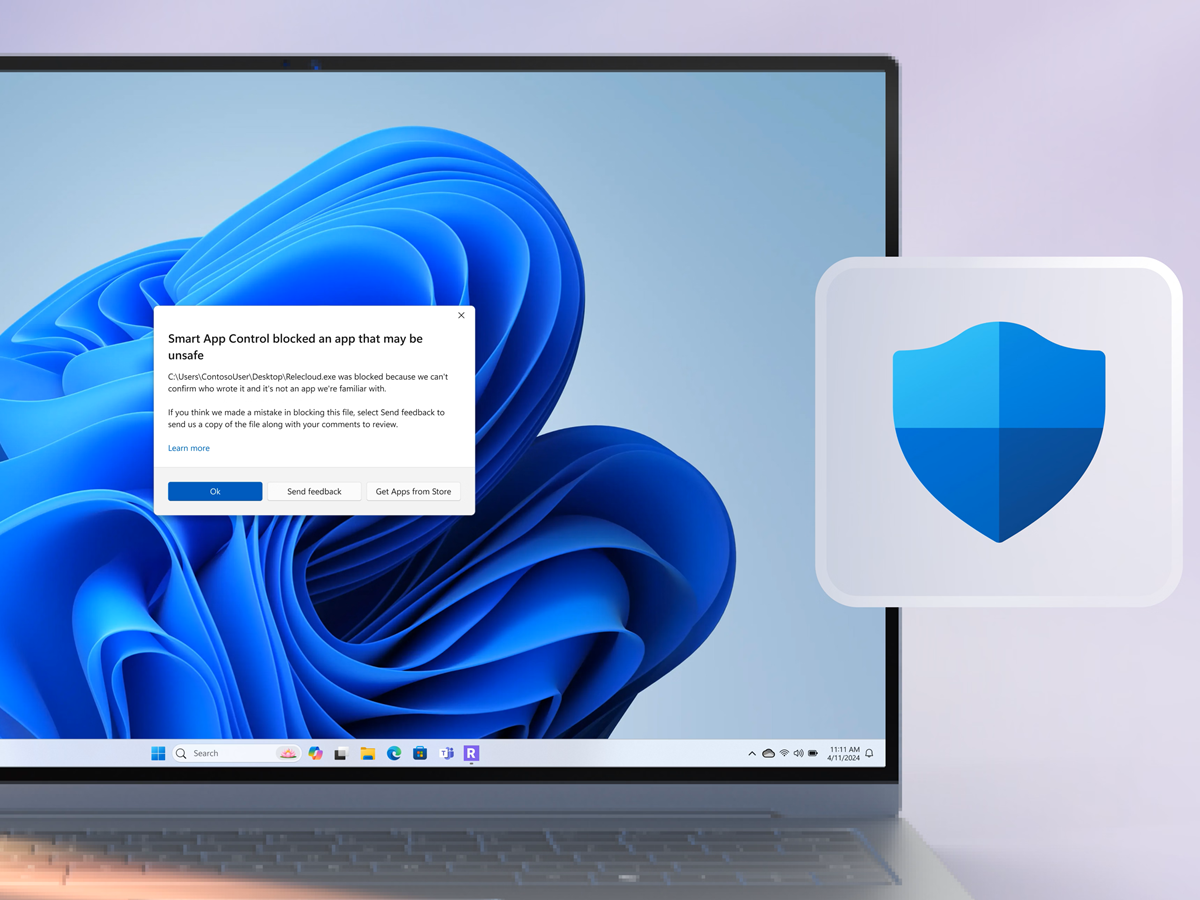
Microsoft released its June 2026 Patch Tuesday update bundle with critical Secure Boot certificate validation requirements as legacy 2011-era UEFI certificates begin expiration. The mandatory update includes core shell performance improvements and expanded Task Manager NPU metrics to support the growing deployment of AI-enhanced devices.
Critical Security Compliance Milestone
Microsoft has officially begun rolling out its June 2026 Patch Tuesday update bundle, turning a routine monthly security deployment into an essential compliance milestone for enterprise networks. Because legacy 2011-era third-party UEFI Secure Boot certificates begin their scheduled expiration cycle on June 24, IT departments are using this update window to finalize validation across their device fleets.
Performance and AI Hardware Enhancements
Microsoft's June 2026 Patch Tuesday introduces core shell performance updates and expanded Task Manager NPU metrics, alongside critical Secure Boot certificate-validation requirements. These enhancements reflect the broader shift toward AI-accelerated computing in enterprise environments, with NPU (Neural Processing Unit) metrics now integrated into system monitoring tools for better visibility into AI workload performance.
Enterprise Transition Timeline
According to official Microsoft lifecycle documentation, devices that do not migrate to the newer Windows UEFI CA 2023 certificates ahead of the summer expiration timeline will continue to boot and operate normally under standard conditions. However, Microsoft warns that these unupdated endpoints will lose the ability to receive new security protections for the early boot process, effectively halting future updates to the Windows Boot Manager, Secure Boot databases, and critical vulnerability revocation lists.
Security Vulnerability Patching
On the security front, administrators are closely monitoring CVE-2026-42897, a high-profile cross-site scripting vulnerability affecting Outlook Web Access in on-premises Exchange Server deployments. With today's security updates officially delivering the permanent patch to resolve this vulnerability, administrators can finally transition away from temporary workarounds that have been in place.