
Iran Launches Missiles at Israel, Breaking Fragile Ceasefire
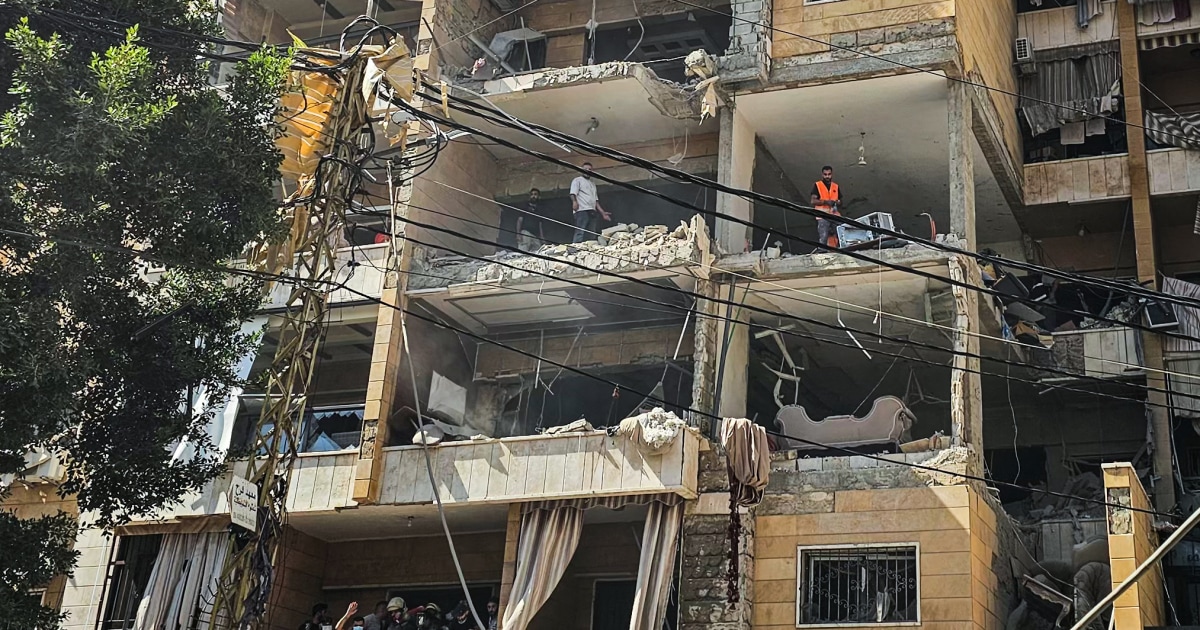
Iran fired multiple barrages of ballistic missiles at Israel on Sunday, marking the first direct Iranian missile attack since an April ceasefire. The attack came in retaliation for Israeli airstrikes on Beirut and threatens to unravel U.S.-Iran peace negotiations.
Escalation Threatens Ceasefire
Iran launched missiles at Israel on Sunday in retaliation for an Israeli strike in Beirut earlier in the day, marking the first direct Iranian missile attack since the April 8 ceasefire. Israel Defense Forces said sirens sounded in northern Israel as four missiles were launched from Iran, but that air defense systems were operating to intercept the threat.
Iranian state media reported a third wave of missiles had been launched, but Israeli officials said all had so far been intercepted. One of the targets was Ramat David Air Base in northern Israel, the IRGC said.
Regional and Political Stakes
This marks a major regional escalation and threatens to unravel U.S.–Iran negotiations and reignite the war. The missile strikes fundamentally challenge the fragile ceasefire agreement that took effect in early April following months of devastating conflict. President Trump told Axios he would call Israeli Prime Minister Benjamin Netanyahu and urge him not to retaliate for Iran's missile attack.
Speaking to Fox News after the strikes, Trump said the Iranian missiles were "certainly not going to help negotiations" and called on Iran to return to the talks. "You've shot your missiles, that's enough. Get back to the table and make a deal," Trump told Fox News.
Iran's Justification and Warnings
Iran's military said Israel had "crossed all red lines" in intensifying its attacks in southern Lebanon and targeting the south Beirut suburb of Dahieh. "If it expands its attacks in that area, or responds to Iran's action, it will face more forceful blows, and devastating attacks will be launched" against Israel and its supporters, the military added.
Iran says any deal must include an end to fighting in Lebanon. The crisis underscores the deep tensions over Hezbollah's role and Lebanon's status in broader Middle East peace negotiations. Meanwhile, Iran continued to assert its grip on the Strait of Hormuz and the U.S. continued its blockade of Iranian ports, with shipments of oil, natural gas and fertilizer affected and the global economy in pain.