
Google Commits to Water-Positive AI Data Centers by 2030
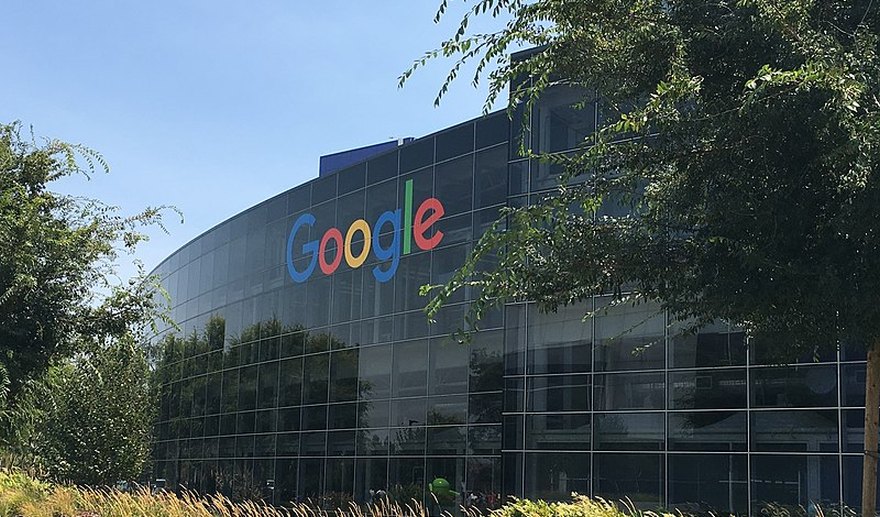
Google announced five commitments to address water usage from its AI data centers, including a goal to become water-positive by 2030 and increased transparency on local water impacts.
The Announcement
Google announced five AI data center water commitments, including a goal to become water-positive by 2030, local infrastructure investments, and greater transparency around water usage. The announcement comes as data centers face growing pushback over electricity and water demand, and for hyperscalers, sustainability claims now need to be backed by local impact, not just global offsets.
The Challenge
Communities want to know how much water AI facilities use and who benefits from the buildout. AI's environmental footprint is becoming a central issue for Big Tech expansion. The announcement reflects a broader industry shift as Ohio suspended a major tax incentive for data centers after projected exemption costs surged sharply, and residents are also pushing a ballot measure that could ban hyperscale data centers statewide.
Industry Context
Google's commitment comes amid mounting pressure on tech giants expanding AI infrastructure. Analyses indicate that 30-50% of approximately 140 planned U.S. data centers targeting 16 GW of capacity may miss 2026 timelines or be canceled outright, with primary bottlenecks including multi-year waits for transformers, batteries, grid connections, and local opposition citing energy and water usage. Hyperscalers continue heavy investment, exploring alternatives like on-site power generation, with the slowdown reflecting the physical limits confronting AI infrastructure expansion despite sustained demand.
What's Next
Google's water-positive goal by 2030 represents one of the most ambitious sustainability targets in the industry. The commitment signals that as AI infrastructure accelerates globally, tech companies must address not just computational and energy challenges, but also resource management that affects surrounding communities.