
GLP-1 Drugs Linked to 30% Reduction in Breast Cancer Risk in Major Study
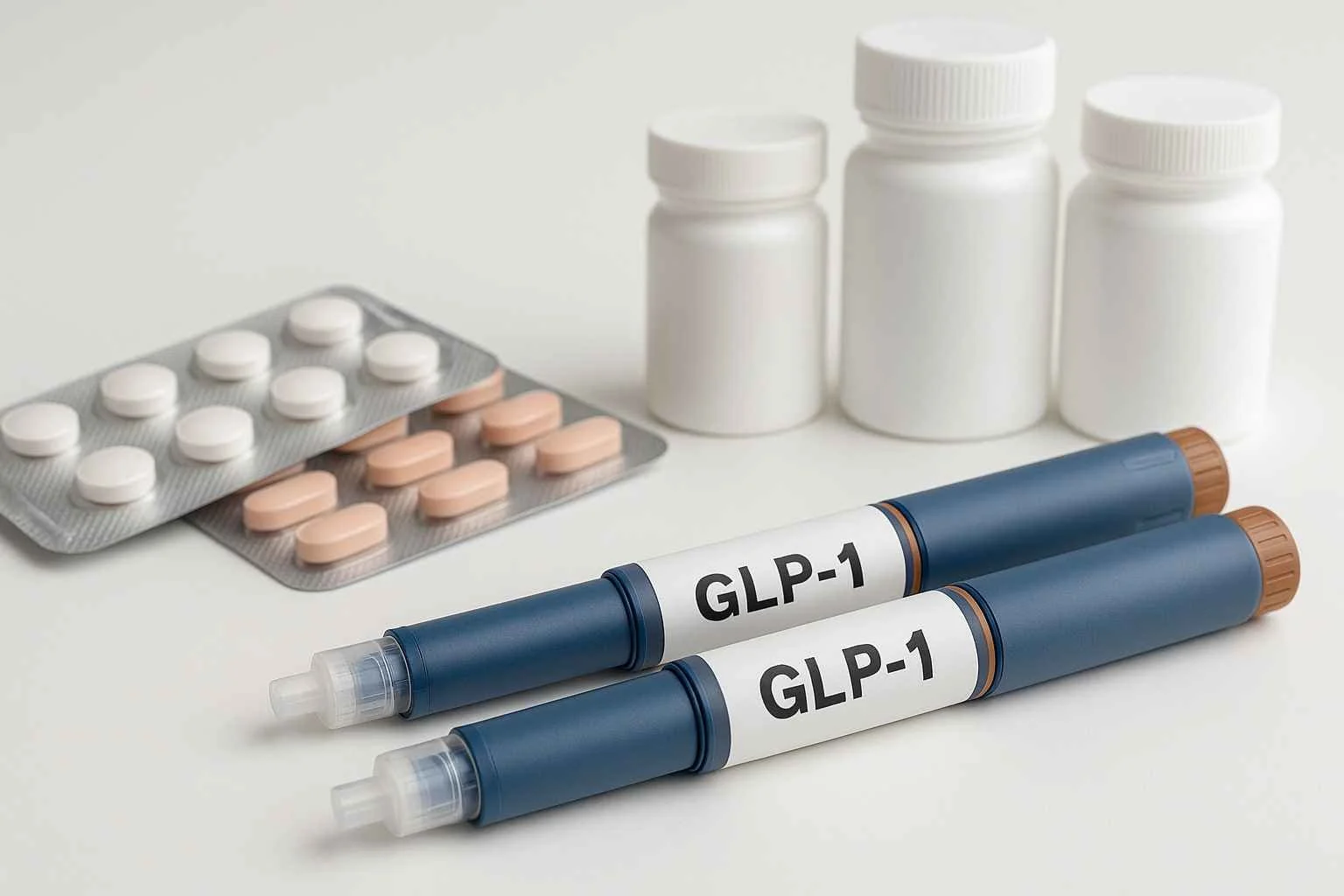
A large study found that women taking GLP-1 medications like Ozempic and Wegovy are about 30% less likely to develop breast cancer, suggesting these popular weight-loss and diabetes drugs may have unexpected cancer-protective benefits.
Major Cancer Prevention Discovery
A large study found that women taking GLP-1 drugs, the medication class behind Ozempic, Wegovy, Mounjaro, and Zepbound, were about 30% less likely to develop breast cancer. This finding adds a new dimension to understanding GLP-1 receptor agonists, which have become among the most prescribed medications globally for weight management and Type 2 diabetes treatment.
Understanding GLP-1 Medications
GLP-1 drugs work by mimicking glucagon-like peptide 1, a hormone that regulates blood sugar and appetite. Originally developed for diabetes management, these medications have become widely used for weight loss due to their effectiveness in suppressing appetite and promoting satiety. The class includes popular medications like semaglutide (Ozempic, Wegovy), tirzepatide (Mounjaro, Zepbound), and others. Over the past two years, these drugs have achieved unprecedented popularity, with millions of users globally seeking them for weight management.
Study Scope and Implications
The study examining breast cancer risk represents one of the most comprehensive investigations into long-term health outcomes associated with GLP-1 therapy. The 30% reduction in breast cancer incidence is substantial and statistically significant, suggesting that GLP-1 medications may confer protective benefits beyond their primary indications. Researchers are investigating multiple potential mechanisms, including whether the cancer-protective effect relates to weight loss itself, direct metabolic changes induced by the medication, or specific interactions with cellular signaling pathways involved in cancer development.
Future Research Directions
These findings will likely spur additional research into the broader health implications of GLP-1 medications. Scientists will need to determine whether the cancer-protective effect is specific to breast cancer or extends to other malignancies, identify the underlying biological mechanisms, and establish optimal patient populations for preventive therapy. The discovery underscores how medications developed for one purpose can reveal unexpected health benefits, and highlights the importance of long-term safety monitoring of widely used pharmaceuticals.